You don't need to spend a lot to start running. The best budget running shoes for beginners are ones that fit well, cushion your foot on impact, and feel comfortable within the first few steps — you can find all of that for well under what premium shoes cost. Here's how to shop smart without getting overwhelmed.
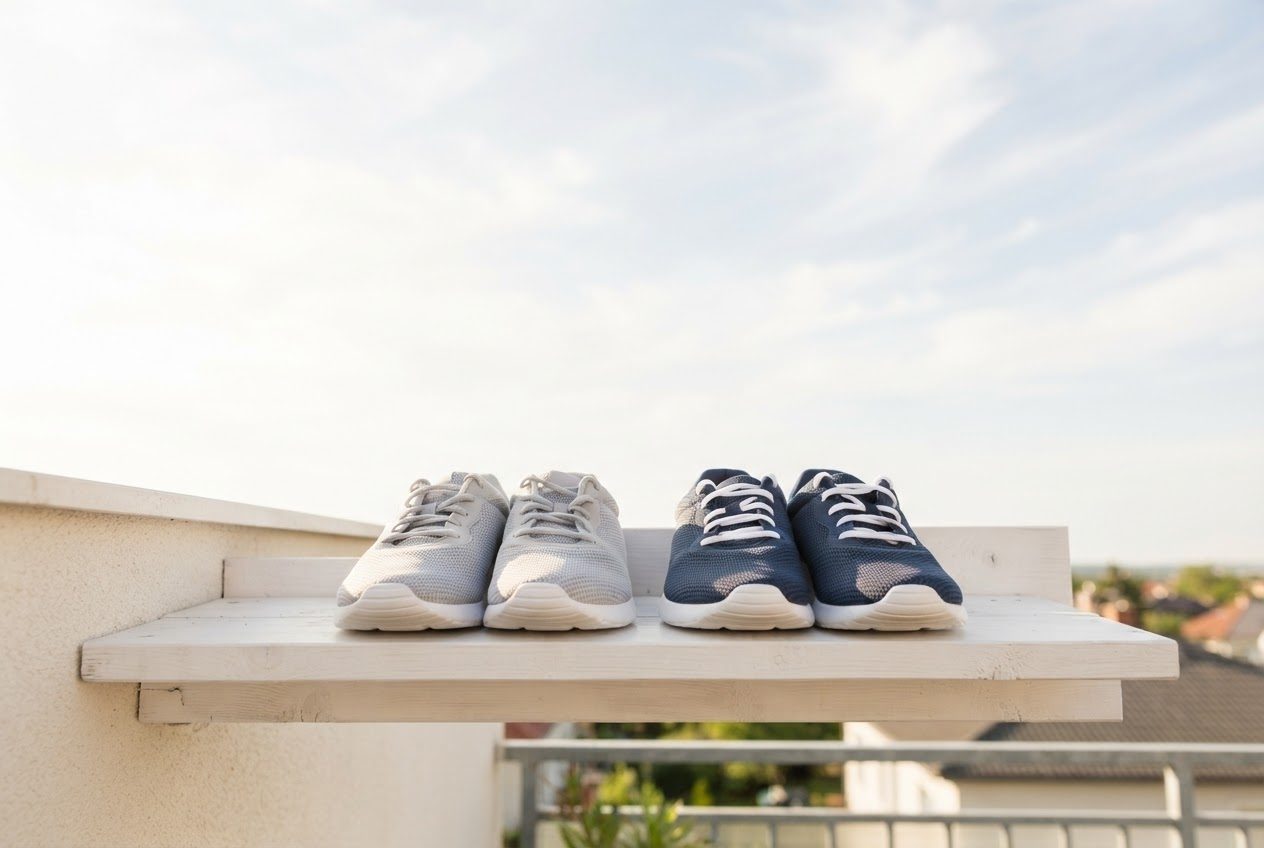
Do beginners really need expensive running shoes?
Not at all. Most beginners are running two or three times a week for under 30 minutes — a distance where the performance differences between a $60 shoe and a $160 shoe are nearly invisible. What matters at the start is:
- Fit — your heel sits snug, your toes have a thumbnail's width of space at the front, and nothing pinches
- Cushioning — enough padding underfoot to absorb impact on roads or paths
- Flexibility — the shoe bends naturally where your foot bends
Fancy carbon plates, foam stack heights, and race-day engineering are for later, when you've built the miles to feel the difference. Right now, a well-fitting affordable shoe will carry you further than an ill-fitting premium one.
What makes a running shoe "budget-friendly" and still worth buying?
Budget doesn't mean throwaway. There are three things to avoid in the bargain bin:
- Cross-trainers or fashion sneakers marketed as running shoes — they're often stiffer and heavier than purpose-built running shoes, and the outsole wears down faster.
- No-name brands without road-tested cushioning — the foam matters. Bigger brands at their lower price points still use real running foam; ultra-cheap options sometimes don't.
- A shoe that doesn't match how your foot lands — most beginners are fine in a neutral cushioned shoe, but if you've had knee or ankle pain before, a brief visit to a running store for a quick gait check (usually free) can save you weeks of soreness.
A reliable starting point: look at the entry-level lines from established running brands. They exist precisely for this — same fit philosophy, tested foam, lower price because they drop the premium materials.
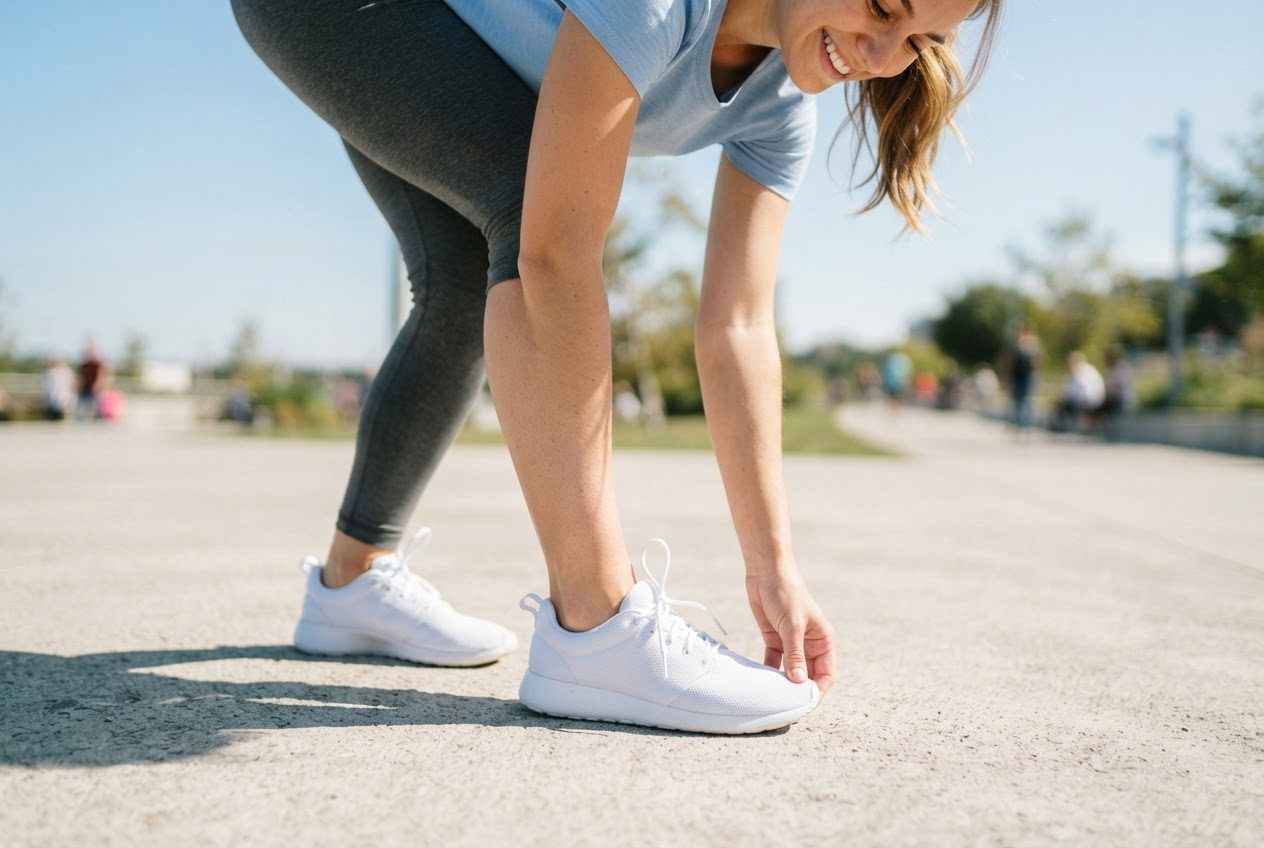
How to find your size in a running shoe
Running shoes typically run a half-size large compared to everyday shoes. A few tips:
- Shop in the afternoon or after a short walk, when your feet are slightly swollen — this is closer to how they'll feel mid-run.
- Wear the socks you plan to run in.
- Stand up and press your thumb against the toe of the shoe. You want roughly a thumb's width between your longest toe and the end of the shoe.
- Walk (or jog a few steps in the store). Your heel should not slip.
Buying online? Check the return policy first. Most running shoe retailers allow returns even after a short trial run, which lets you do a test at home before committing.
What kind of terrain are you running on?
This affects the outsole more than anything else:
- Road or pavement — a standard road running shoe with a smooth or lightly textured rubber outsole is all you need.
- Treadmill — same as road; the cushioning spec matters more than grip.
- Light trails or packed dirt — a shoe with slightly more grip on the outsole is helpful, but a road shoe usually handles light trails fine when you're starting out.
Avoid buying a deep-lugged trail shoe for pavement running — the lugs create an uneven feel on hard surfaces and wear down quickly.
How long do budget running shoes last?
Running shoes are generally rated by mileage, not time. A well-cushioned shoe at any price point typically lasts somewhere between 400 and 600 kilometers of actual running before the foam noticeably breaks down. For a beginner running 15–20 km a week, that's six months to a year from a single pair — a good return on a modest investment.
Signs it's time to replace your shoes: the midsole (the thick foam section) feels flat or compressed when you press it, your legs feel more tired than usual after easy runs, or you notice new aches in your knees or feet that weren't there before.
One more thing to carry
Once you have shoes, the next common friction point is what to do with your phone. Running with it loose in your hand or stuffed in a pocket is surprisingly distracting and can throw off your arm swing. A lightweight running phone armband keeps your phone snug against your upper arm so it doesn't bounce around, and frees up both hands. It's a small addition that makes a real difference on longer runs.
For more on running gear decisions, see What to Wear for Your First Run and How to Carry Your Phone While Running.
Quick checklist: what to look for in a budget running shoe
- Fits snugly at the heel, roomy at the toes
- Bends naturally where your foot bends
- Clearly labeled as a running shoe (not a cross-trainer)
- From a brand with a track record in running
- Matches your primary surface (road, trail, or treadmill)
That's the whole list. You don't need a spreadsheet to buy your first pair.
Starting running is about getting out the door, not getting the gear exactly right. A pair of comfortable, well-fitting shoes in your budget — whatever that budget is — is all you need for your first few months. Everything else can be refined as you go.
Run happy, run free.
FAQ
How much should I spend on my first pair of running shoes? Anywhere from around $50 to $100 USD is enough for a solid first pair from a reputable brand. You don't need to spend more than that to run comfortably as a beginner.
Can I run in regular sneakers or walking shoes? For a very short time, yes — but running shoes are designed to handle repeated impact in a way most walking shoes aren't. If you plan to run more than a few times, it's worth investing in a dedicated running shoe.
How do I know if my running shoes are worn out? Press your thumb into the midsole foam — if it feels stiff and doesn't spring back, the cushioning is breaking down. You can also rotate a worn shoe and check if the heel is visibly compressed or uneven compared to a new pair.