The best running shoes for shin splints are ones with enough cushioning to absorb impact, stability that matches your foot type, and — just as important — soles that aren't worn out. A shoe that's lost its cushioning can no longer soften the repetitive pounding that leads to shin pain in the first place.
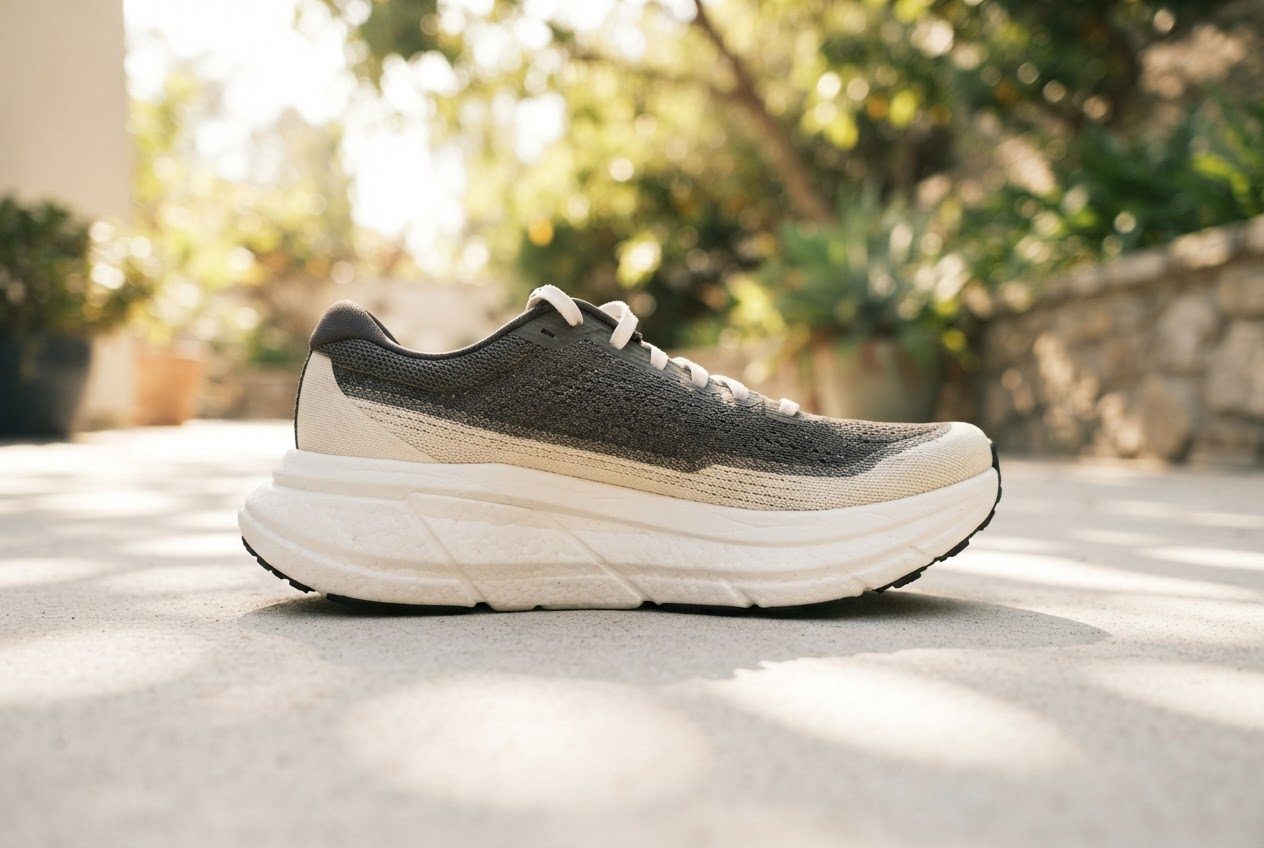
Shoes are only one piece of the puzzle (training load matters just as much), but they're one of the easiest things to get right. Here's what actually helps.
What Makes a Shoe "Good" for Shin Splints?
There's no single magic shoe model — shin splints have several causes, and shoes address just the mechanical side. Still, a few features consistently help reduce the impact stress that contributes to shin pain:
- Adequate cushioning. More foam under your foot means less shock traveling up into your shin with every step.
- Stability suited to your gait. If your foot rolls inward a lot when you land (overpronation), a stability shoe can help distribute that impact more evenly instead of loading the inner shin.
- A secure, comfortable fit. Shoes that are too tight, too loose, or rubbing anywhere can change how you land without you noticing.
- Freshness. Even a great shoe stops protecting you once the midsole foam has compressed and flattened.
Cushioned vs. Minimalist Shoes
If you're dealing with shin splints, this is not the moment to experiment with minimalist or "barefoot-style" shoes. Less cushioning means more impact reaches your shin directly, and your lower legs need time — often months — to adapt to that kind of load. A well-cushioned road running shoe is the safer choice while you're recovering or trying to prevent a recurrence. Our full guide on how to choose running shoes as a beginner covers fit and cushioning in more detail if you're shopping for your first pair.
Stability Shoes: Do You Need One?
Stability shoes are built for runners whose foot rolls inward noticeably on landing. Not everyone needs one — plenty of runners do fine in a neutral shoe. The simplest way to find out is a gait check at a specialty running store; staff can watch you walk or jog and point you toward a stability or neutral model based on what they see. It takes a few minutes and removes the guesswork.
When to Replace Your Shoes
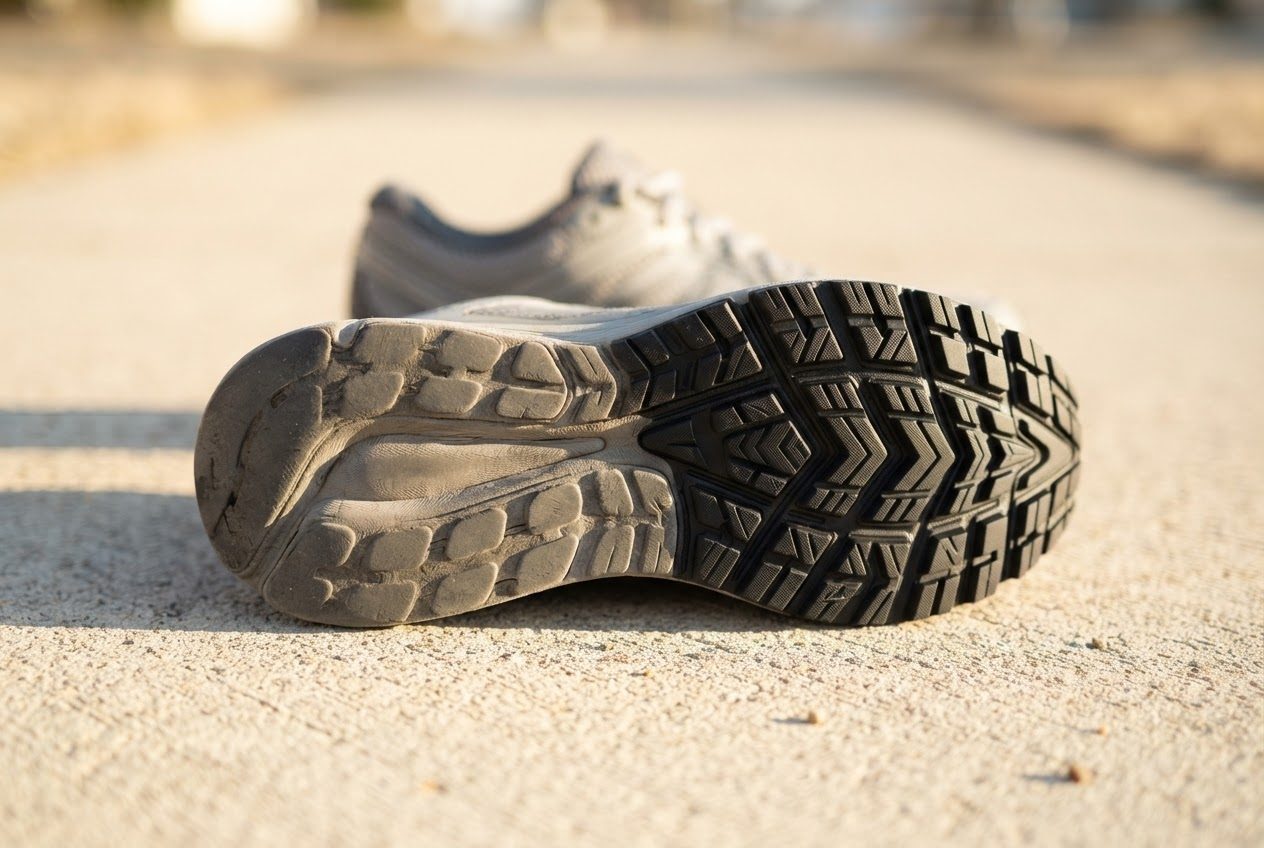
This is the part beginners overlook most. Running shoes typically hold up for roughly 500–800 km before the midsole cushioning compresses and stops absorbing shock the way it did when new. The outsole can still look perfectly fine while the foam underneath is already flat. If your shins have started aching and you can't remember the last time you replaced your shoes, that's worth checking first — sometimes the fix is simply a new pair, not a different model.
Shoes Are Half the Story
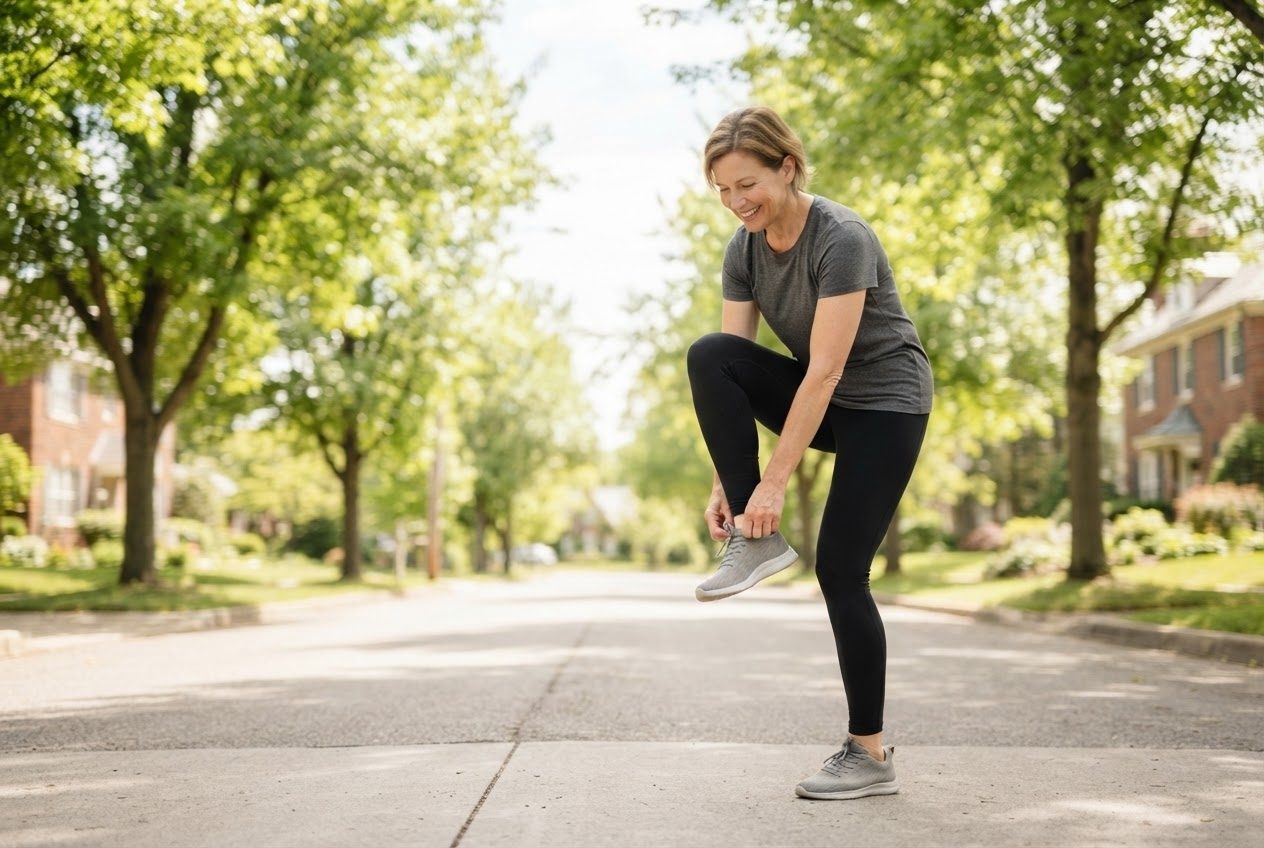
Even the right shoe won't fully protect you from shin splints if your training load ramps up too fast. Shoes reduce impact stress; they don't eliminate the need to build mileage gradually, warm up, and rest when your legs ask for it. For the full picture — training pace, surfaces, strengthening exercises, and what to do if shin splints start — see our complete guide on how to prevent shin splints when running.
A Simple Checklist Before You Buy
- Choose a cushioned road shoe, not a minimalist one
- Get a quick gait check if you're unsure between stability and neutral
- Try shoes on with your running socks, in the afternoon
- Track your shoe's mileage and replace around 500–800 km
- Pair the right shoe with a gradual training build-up
Once your shoes are sorted, the rest of your kit matters less but still helps — a phone that stays put on your arm, for instance, means one less thing to think about mid-run. LULURUN's 360° rotating running armband keeps your phone snug against your arm so you can focus on your stride instead of adjusting your gear.
FAQ
Will new shoes cure my shin splints on their own? Not on their own. New, well-cushioned shoes can reduce the impact stress that contributes to shin splints, but rest, a gradual return to running, and addressing training load matter just as much. If pain is sharp or persistent, see a physiotherapist or sports doctor.
Should I size up if I have shin splints? Sizing should be based on fit, not shin pain — running shoes should already have a thumb's width of space at the toe. A too-small shoe can affect how you land, but sizing up beyond a proper fit won't specifically help shin splints.
Are trail shoes better than road shoes for shin splints? For most beginners running on pavement or sidewalks, a cushioned road shoe is the better choice. Trail shoes are built for grip on uneven terrain, not extra shock absorption, and are only worth it if you're actually running on trails.
Run happy, run free.