To join a running club as a beginner, contact the organizer before your first visit and ask about walking breaks, pace groups, route length, and who stays with the last person. Choose a session that fits what you can comfortably do now, rather than trying to earn your place by keeping up.
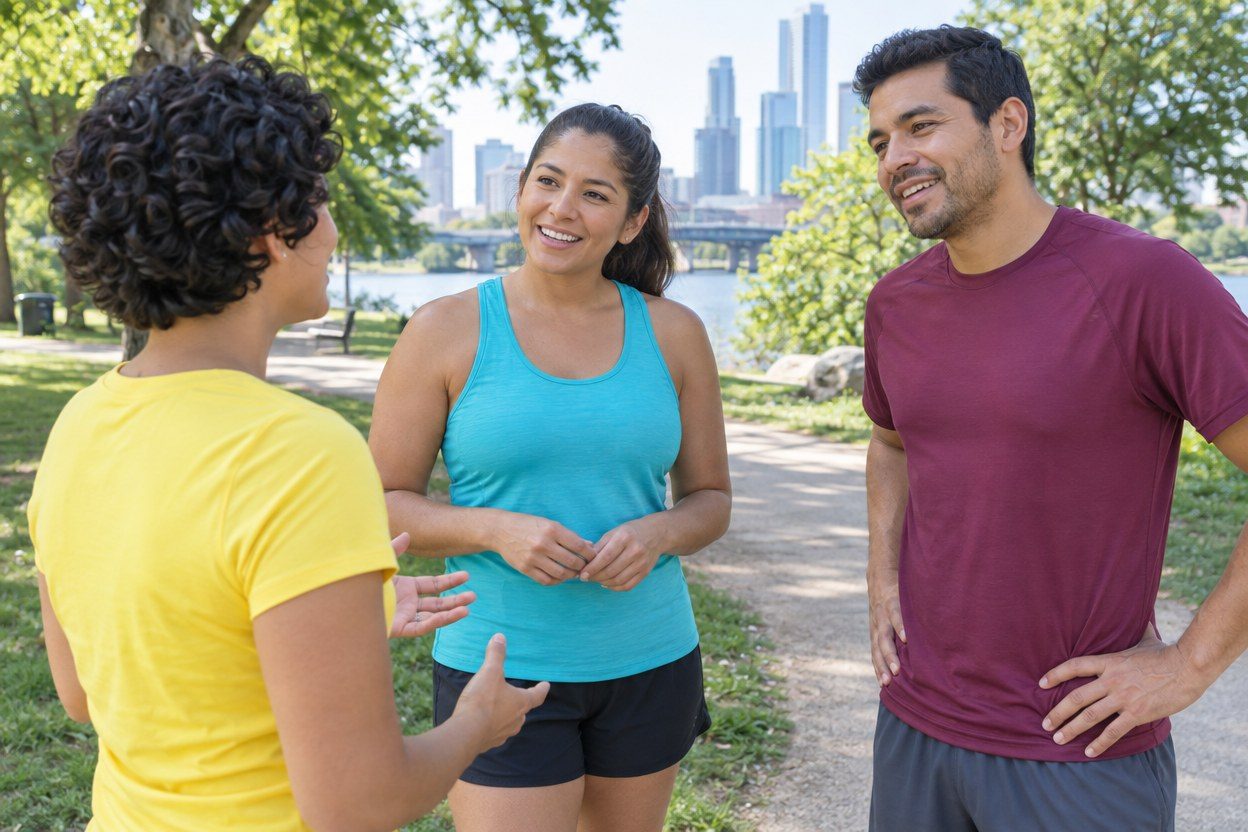
A club can be a lovely way to put faces to your local running paths. But "friendly" and "beginner-friendly" do not always describe the same session. Clear details are more useful than a promise that everyone will be fine.
You are allowed to ask questions. You are also allowed to try one meeting and decide it is not your group.
What should you ask before your first group run?
Send a short message with the information the organizer needs. You do not have to submit your entire running history.
For example:
"Hi! I'm new to group runs and I usually mix easy jogging with walking. Is there a session that would suit me? Could you tell me the route length, whether walking breaks are welcome, and how the group makes sure nobody is left on their own?"
If you know your usual pace, you can include it. If you do not, describe your comfortable activity instead. "I can jog a little and walk between sections" is more useful than guessing a number to sound experienced.
Ask these questions before choosing a session:
- Is this particular session for beginners? A club may run both social outings and demanding workouts.
- Are walking breaks part of the plan? Ask whether someone will walk with you, not just whether walking is technically allowed.
- How long is the route? Check the expected duration as well as the distance.
- Can you finish early? A loop returning to the meeting point may offer a simpler first visit than a long point-to-point route.
- Who should you find when you arrive? A name can make the first hello easier.
It is fine to ask about fees, booking, age restrictions, or visitor rules too. The club's actual arrangements matter more than any generic advice about running groups.

What does a no-drop run mean?
A no-drop label usually signals that the group intends not to leave participants behind, but the details vary. Ask the organizer how that works in their session.
Is there a designated person at the back? Does the whole group regroup at junctions? Are there separate pace groups, and can the slowest group include walking?
Those arrangements are different. A group that pauses occasionally may still spend the moving sections faster than you want to run. A named companion who knows you plan to walk offers a clearer picture of the outing.
You could ask:
"When you say no-drop, will someone stay with me if I need a walking break, or would I follow the route alone between regrouping points?"
That is a reasonable logistics question. It helps the organizer recommend the right session and helps you make an informed choice.
What can you do when you arrive?
Arrive with enough time to find the meeting point without rushing. Introduce yourself to the person you contacted and confirm which group you are joining.
A simple introduction is enough:
"Hi, I'm here for my first run. I messaged about the run-walk option. Who should I stay with today?"
Before anyone leaves, check the finish location, the route, and what to do if you need to stop. If you have concerns about accessibility or anything that affects your participation, discuss them privately with the organizer rather than relying on a general welcome message.
Wear familiar, comfortable clothes and shoes. You do not need a matching outfit or new accessories to belong. Our running gear is there if useful, not as a membership requirement.
What if the group is faster than expected?
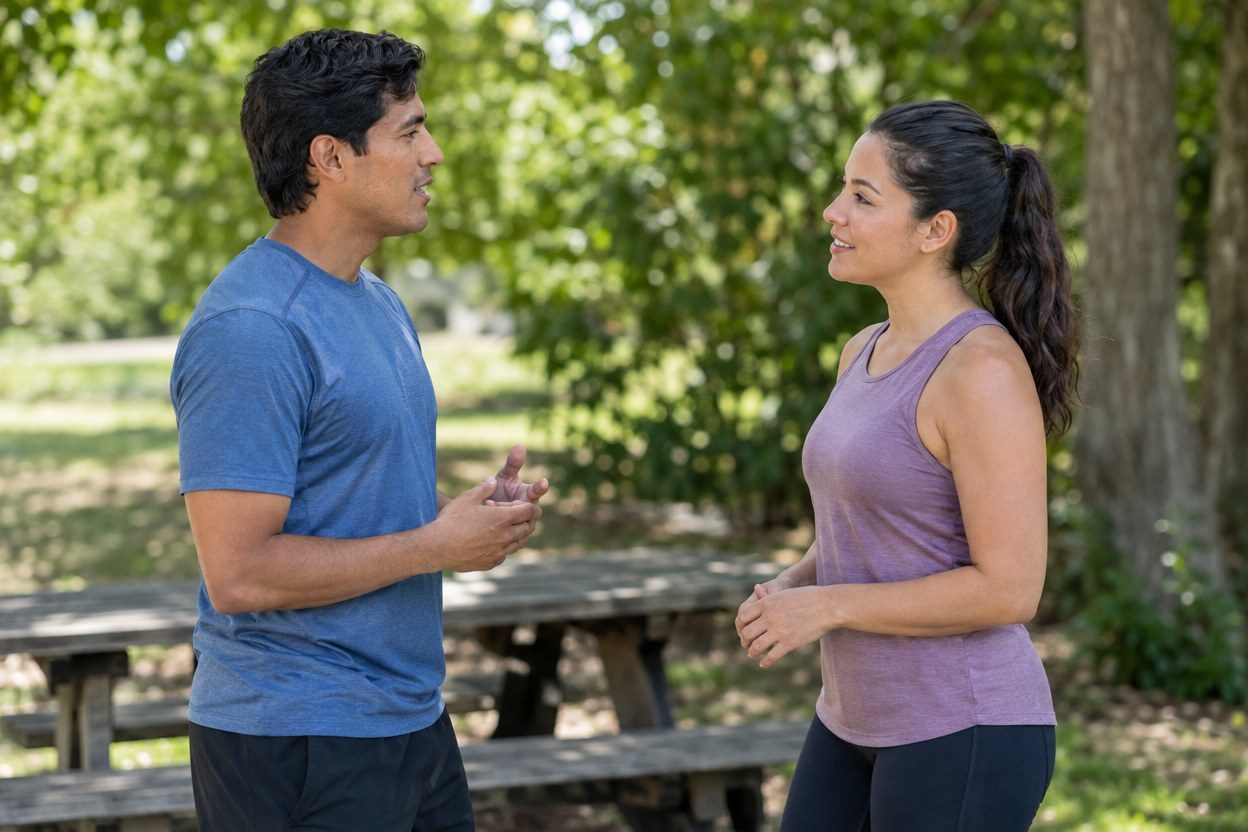
Speak to the organizer or your designated companion before you feel pressured to chase. Try, "This is quicker than the pace I planned. Can we switch to walking, or use the shorter option we discussed?"
If there is no suitable alternative, ending the outing is allowed. Tell the responsible person you are leaving so they know where you are, then follow the agreed return plan rather than disappearing from the group.
You do not need to finish a mismatched session to be polite. For future visits, a walking group, a structured run-walk session, or a different club may be a better fit.
Our beginner run-walk guide can help you describe your preferred outing. And leaving pace comparisons behind is useful if somebody else's speed starts feeling like a verdict on yours.
How will you know whether to go back?
After the visit, think about the experience rather than your finishing position. Were your questions answered? Did the support match what was promised? Could you move comfortably and speak up when needed?
You do not have to become close friends with everyone on day one. One welcoming conversation and a manageable route can be a perfectly good start.
If the fit was wrong, that is information—not failure. The goal is to find a group you want to join again, not to pass an audition.
FAQ
Q: Do I need to run a full 5K before joining a club? Not necessarily. Some groups offer walking or run-walk sessions, while others expect continuous running. Ask about the specific session before attending.
Q: What if I do not know my pace? Describe what you currently enjoy doing, including walking breaks and a comfortable outing length. The organizer can tell you whether there is a suitable group.
Q: Can I attend without joining permanently? That depends on the club's visitor policy. Ask whether a trial session is available and whether you need to register or pay beforehand.
Run happy, run free.