Repeated friction can contribute to blisters. Check shoe fit and socks, and reduce rubbing when possible; no combination prevents every blister.

If you've finished a run only to kick off your shoes and find a painful bubble on your heel or toe, you're not alone. It's one of the most common complaints beginner runners have — and it's also one of the easiest problems to fix.
Why Do Runners Get Blisters?
Blisters form when skin rubs against something repeatedly. For runners, that something is usually:
- A poorly fitted shoe — too tight, too loose, or too narrow
- Cotton socks — they hold moisture and bunch up
- Unfamiliar shoes or a sudden distance change — reassess rubbing and fit rather than waiting for your skin to toughen up
- Wet conditions — sweaty feet or rain soften the skin and make it more vulnerable
A blister can form after repeated rubbing. It still needs care; the presence of fluid does not mean that no skin damage has occurred.
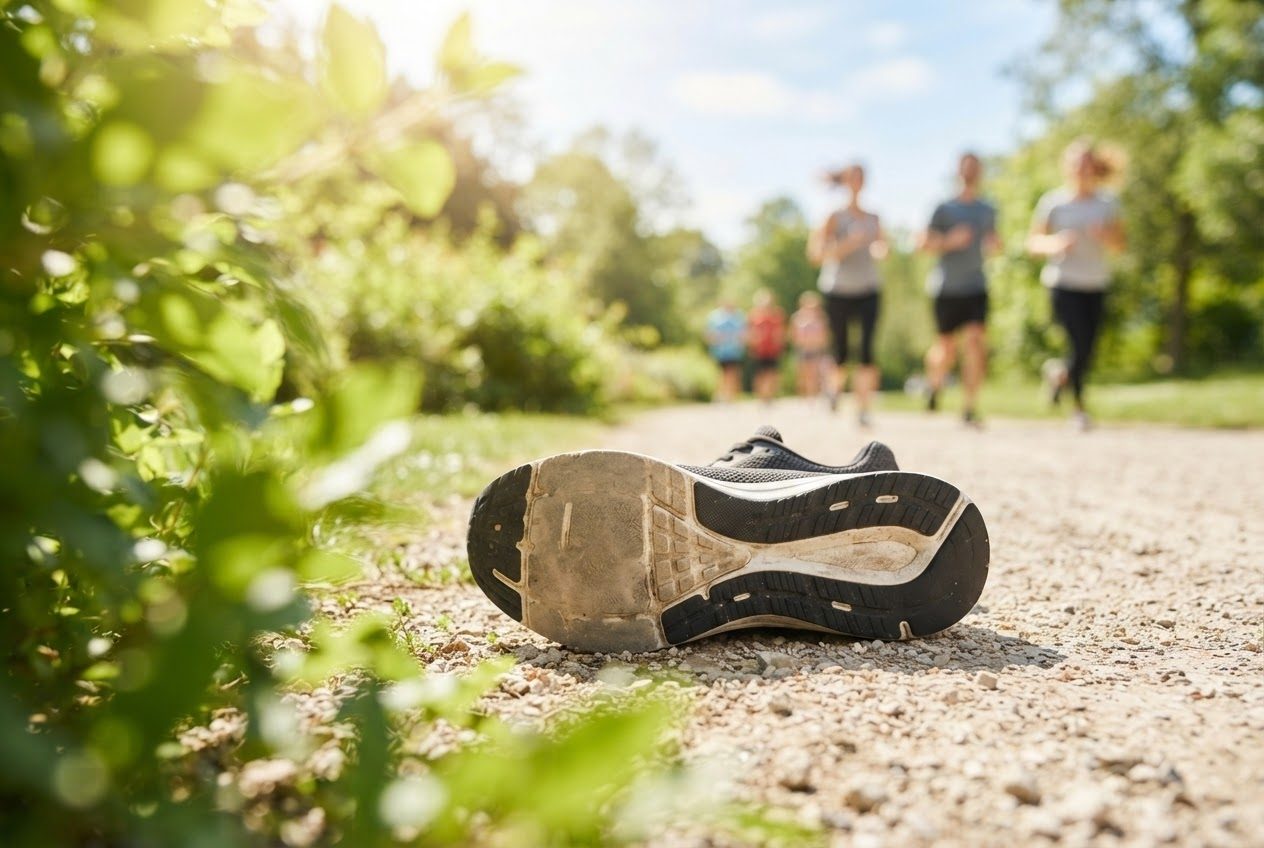
How to Prevent Running Blisters
1. Wear the right socks
Sock fit and moisture management are worth checking alongside shoe fit and rubbing. Cotton can retain moisture, so compare comfortable running socks that suit your feet; a sock change does not guarantee blister prevention.
Look for running socks made from:
- Merino wool blends — an option to compare for fit, comfort, and moisture management; the fiber alone does not establish blister resistance
- Synthetic blends (polyester/nylon) — quick-drying and smooth against the skin
Some runners also swear by double-layer socks, which have an inner layer that moves with your foot and an outer layer that takes the friction instead.
2. Make sure your shoes fit properly
A shoe that's too small pushes toes against the front. A shoe that's too big lets your foot slide and rub. For running, you want about a thumb's width of space between your longest toe and the end of the shoe — your feet swell slightly during a run.
If you're still searching for the right fit, our guide to how to choose running shoes as a beginner walks through the whole process.
3. Apply anti-chafe balm to hot spots
If you want to try a skin lubricant on a spot that rubs, check its instructions and suitability for your skin. It does not guarantee blister prevention, and persistent rubbing is a reason to reassess fit or activity.
This takes about 30 seconds and can save you from days of discomfort. Make it part of your pre-run routine the same way you lace up your shoes.
4. Break in new shoes gradually
Test new shoes on short, comfortable outings before using them for a longer run. If they pinch, rub, or hurt, reassess the fit rather than relying on the material softening or your skin toughening up.
5. Keep your toenails trimmed
This one surprises beginners: a toenail that's slightly too long will press against the front of your shoe on every downhill step. Trim your nails straight across, just short enough that they don't touch the end of the shoe when you push forward.
6. Dry feet before you run in wet conditions
If you're running on a rainy day or after stepping through a puddle, wet feet blister faster. On longer rainy runs, consider water-resistant trail shoes or a light Vaseline coat before you head out. Read more on handling wet weather in our rainy-day running guide.
What to Do If You Already Have a Blister
- Small blister: Reduce rubbing and avoid activity that aggravates it. Protect the area and ask a clinician or pharmacist if you are unsure how to care for it. Avoid popping a blister yourself; protect it and ask a clinician or pharmacist about a large or painful blister.
- Possible infection signs, such as spreading redness, warmth, or pus: Stop activity that aggravates the area and seek medical advice. Do not dismiss these signs as unlikely.
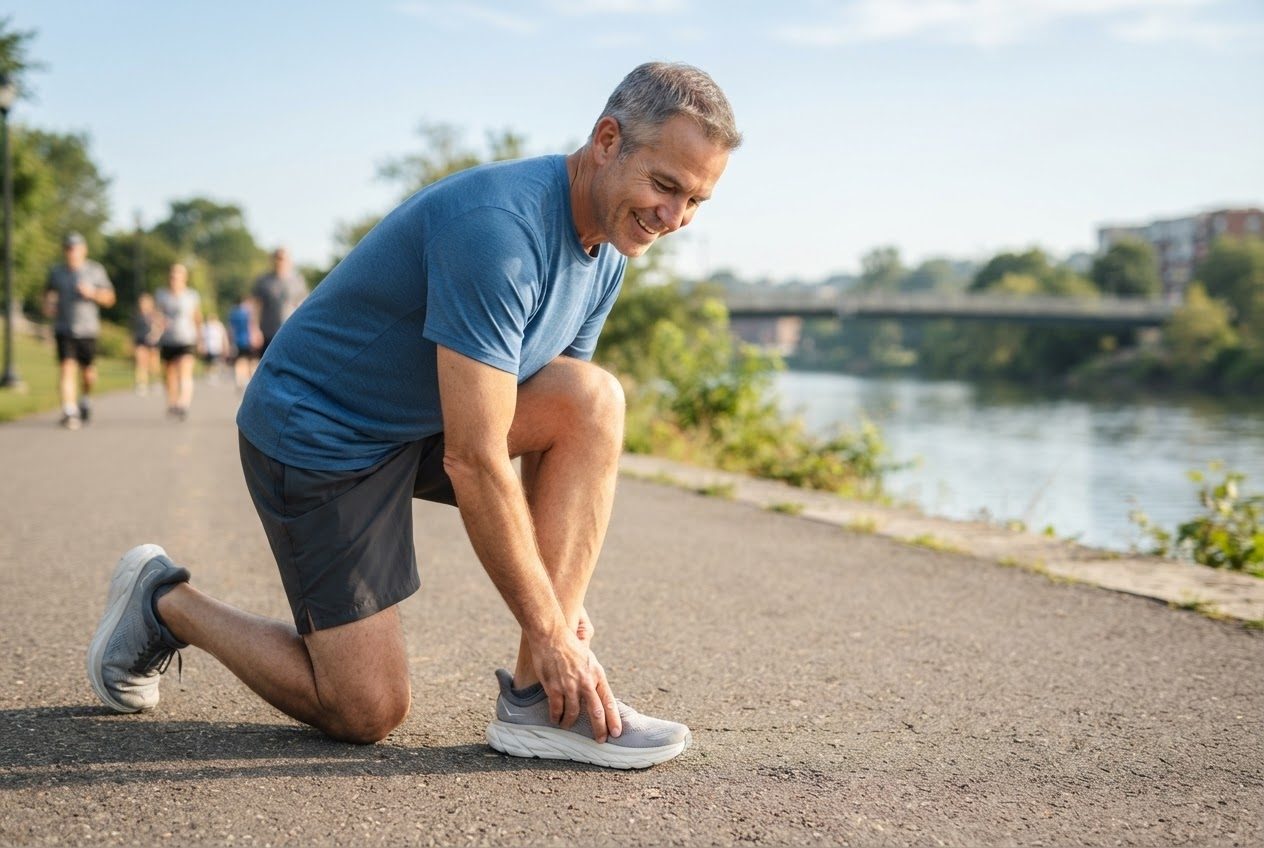
A Quick Blister-Prevention Checklist
Before your next run, run through this list:
- Running socks on (not cotton)
- Shoes tied snugly but not tight — no heel slipping
- Anti-chafe balm on any spots that have rubbed before
- Toenails trimmed
- Shoes already broken in for distances over 5K
These checks may help reduce rubbing, but they do not make every blister disappear. Protect an existing blister and seek advice when pain, a wound, or infection signs are present.
Gear Worth Exploring
If you're dialing in your running kit, have a look at the LULURUN shop — we keep things simple and practical, designed for runners who are just getting started and want to focus on the run itself.
FAQ
Do I really need special running socks? Not necessarily. Compare socks for comfortable fit, seams, and moisture management. Running-specific labels do not guarantee a thin, seamless design, a particular price, or hundreds of kilometers of durability.
Can I run with a blister? Do not decide that running is safe from blister size alone. Avoid aggravating the area and seek appropriate advice for pain, an open wound, or signs of infection.
How long does a running blister take to heal? Healing time depends on the blister and your health. Avoid draining it yourself, protect the area, and ask a clinician or pharmacist about a painful, large, open, or concerning blister.
Run happy, run free.