You do not need special underwear to start running. A comfortable pair you already own—or a well-fitting built-in shorts liner—may work perfectly well; the useful question is how it feels when you move, not whether the label says “running.”
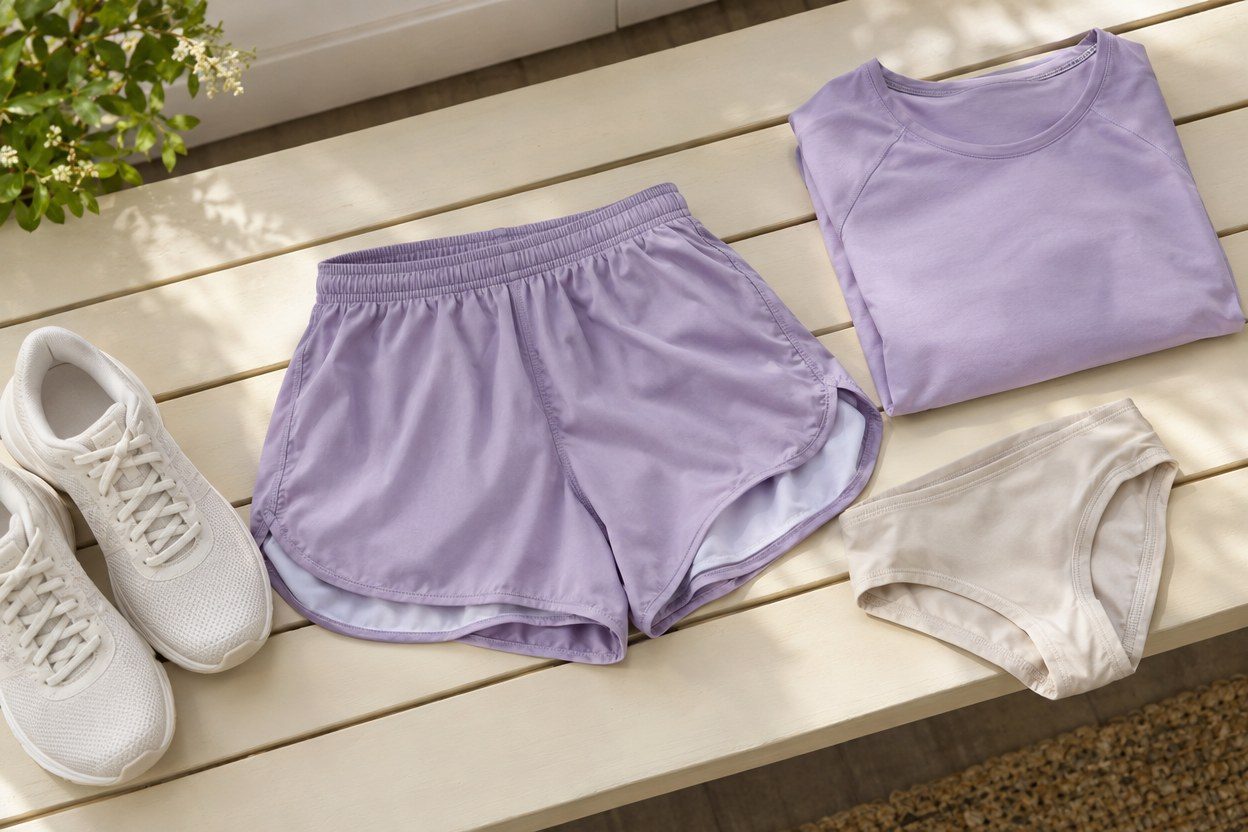
That is one less thing to buy before your first easy outing. You can make this decision at home, try it on a short walk-run, and change one detail if something feels distracting. There is no single underwear style every runner needs to adopt.
Should you wear underwear under running shorts with a liner?
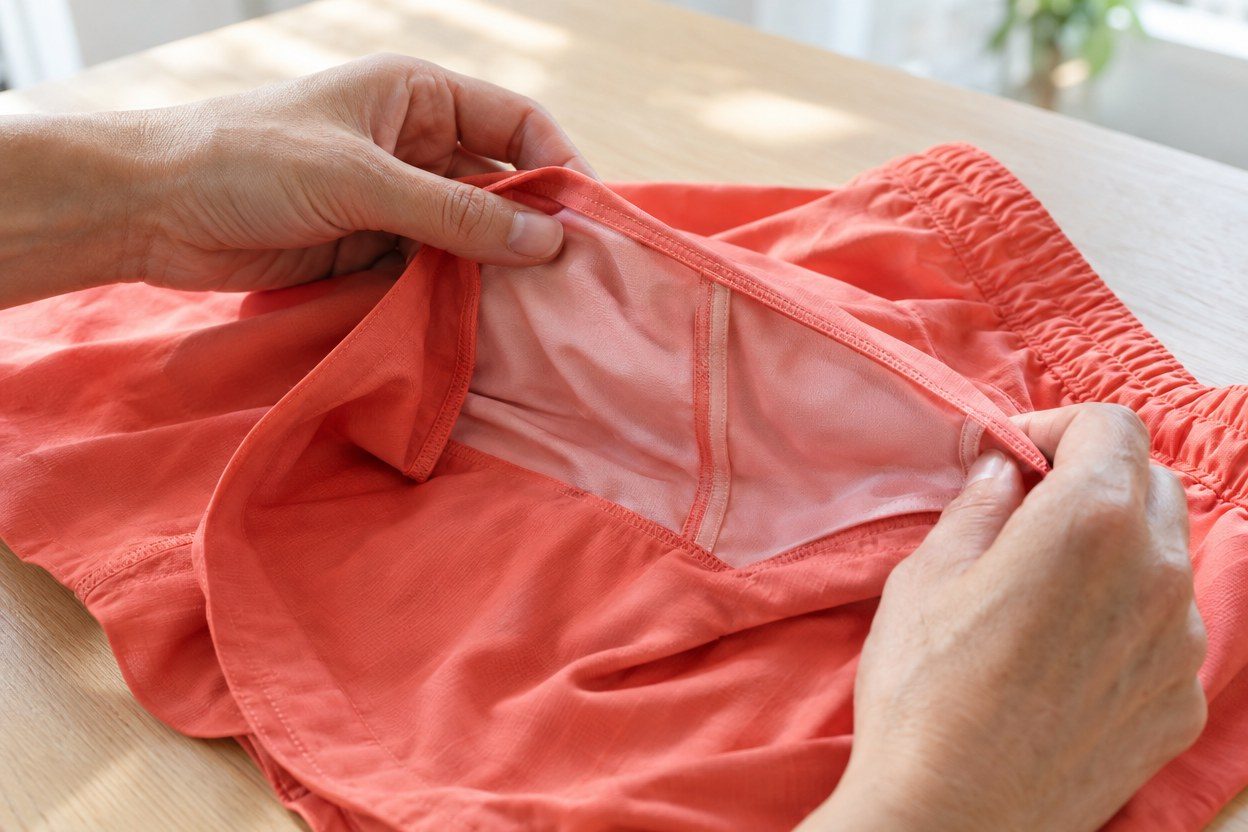
Check inside your shorts first. Some have a fitted brief or compression-style liner intended to serve as the base layer; others have no liner at all. Read the garment’s care and product information rather than guessing from the outside.
If the liner feels supportive and comfortable by itself, you may prefer wearing the shorts without another pair underneath. If you feel better with underwear, that is also something you can test. An extra layer can introduce another waistband, seam, or fold, so notice whether the combination stays comfortable while moving.
Do not assume a liner fits just because the outer shorts fit. Try sitting, taking a long walking step, and gently jogging in place. If it pulls or shifts, a different garment combination may suit you better. You do not have to make an uncomfortable liner work.
What matters more than the underwear style?
Choose by fit and feel, not by an internet vote for briefs, boxers, or another cut. Start with these practical checks:
- The waistband stays in place without digging in.
- Leg openings do not roll, pull, or need constant adjustment.
- Seams do not sit against an area that already feels sensitive.
- The fabric feels comfortable against your skin when you move.
- Your underwear and shorts do not bunch together.
“Seamless” on a label does not guarantee a comfortable fit, and a seam is not automatically a problem. Look at where it sits on your body and how it behaves with the shorts or leggings you actually wear.
If a favorite everyday pair passes these checks, start there. A garment does not become unsuitable for an easy run simply because it was not sold in the sports aisle.
Does the fabric have to be technical?
Not necessarily. For a short outing in comfortable conditions, what you already own may be enough. If a pair feels damp, heavy, or slow to dry after your runs, you might prefer trying a lighter fabric designed to move moisture and dry more readily.
Treat fabric descriptions as a starting point, not a promise. Thickness, fit, weather, and your personal preferences all affect what feels comfortable. The nicest material on paper can still be annoying if the cut does not suit you.
You also do not need to turn this into a health claim. Running underwear is clothing, not a way to guarantee prevention of infections or skin problems. Persistent irritation deserves appropriate advice, not a more impressive label.

How can you test a pair without buying a whole drawer?
Make your first test short and ordinary. Wear the combination you are considering for a walk and a little easy jogging near home, rather than debuting it on a long outing or event day.
Before leaving, check the liner and seams, then move through a few comfortable steps. During the outing, notice whether you forget about the clothes or keep adjusting them. Afterward, note what felt different once you were warm.
A useful note is specific: “The left leg opening rolled when I jogged,” or “Two waistbands felt bulky.” That gives you something to change. “I need better running gear” is much harder to act on.
Change one thing next time: the underwear, the outer shorts, or whether you add a layer beneath the liner. If something rubs or hurts, stop the test rather than trying to tough it out. Our first-run clothing guide helps keep the rest of the outfit simple, too.
What about laundry and having enough pairs?
Follow each garment’s care label. Wash worn underwear and liners, let them dry fully, and have a clean option ready for your next outing. That is more useful than buying a large collection before you know what you like.
If your favorite combination is always waiting to dry, a second comfortable pair may be a practical purchase. Buy for an actual need, not because starting to run supposedly requires an entirely new wardrobe.
If rubbing is your main concern, see our separate running chafing guide. This decision is narrower: finding a base layer you can move in without thinking about it.
FAQ
Can I run in my regular underwear?
Yes, if it feels comfortable and stays in place. Try it on a short outing with your running clothes before deciding you need something different.
Is going without underwear required if shorts have a liner?
No. Check what the liner is designed for, then choose the combination that feels comfortable to you; an additional layer is not automatically necessary or automatically wrong.
Should I buy several pairs before my first run?
You can start with what you have. If you decide to buy, test one pair before committing to more.
Comfort does not need a complicated shopping list. Keep what works, change what distracts you, and leave a little room for enjoying the run.
Run happy, run free.