Running on a treadmill is one of the friendliest ways to start running as a beginner. You control the pace, you're out of the weather, and there's no pressure from the road. Set the speed to something that feels easy, add a small incline, and you're already running.
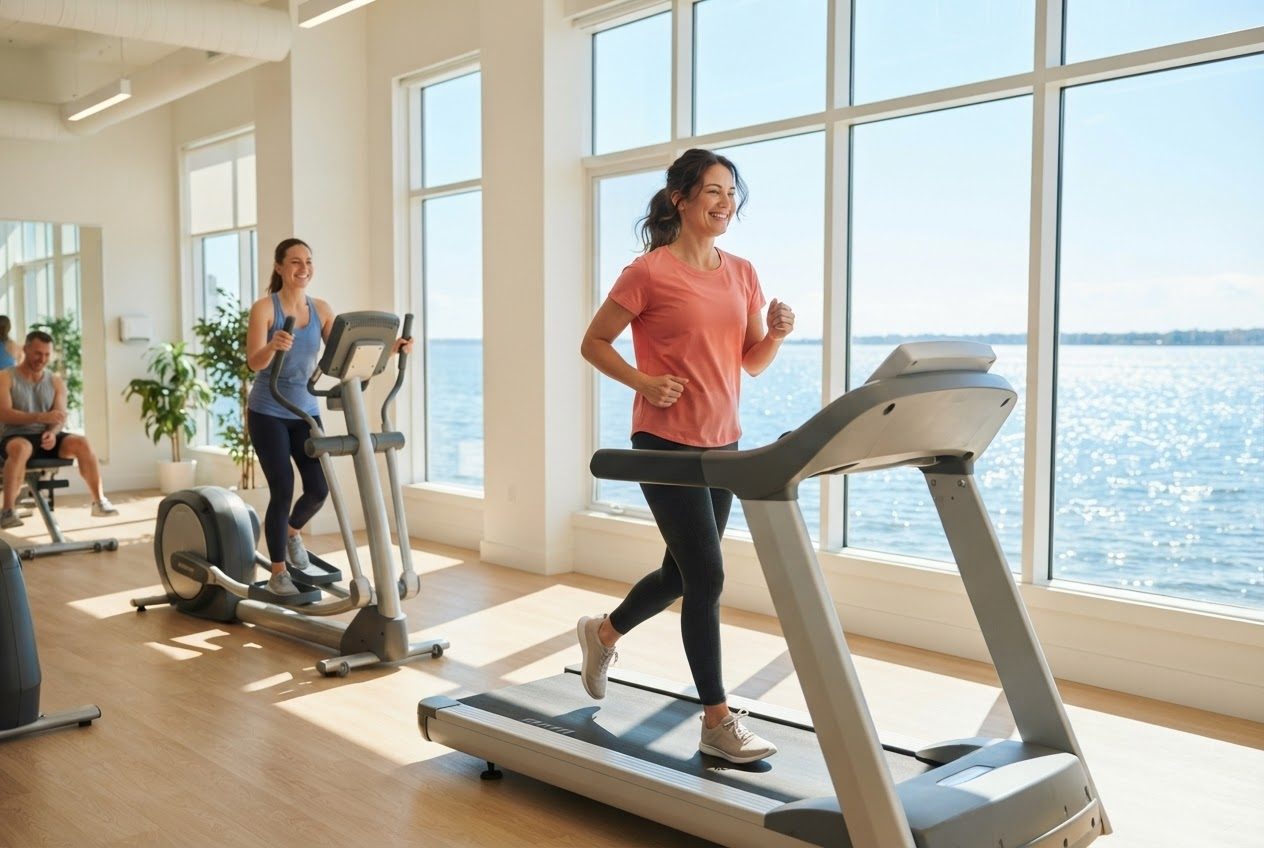
Here's everything you need to know to get comfortable on a treadmill — even if you've never stepped on one before.
Why Treadmill Running Is Great for Beginners
The treadmill gives you something that outdoor running can't: a perfectly predictable environment. No hills unless you want them, no cars, no uneven pavement. You can pause whenever you need to, adjust your pace mid-run, and focus entirely on how your body feels.
It's also perfect on days when Busan's summer heat makes outdoor running feel brutal — or when rain turns the riverside paths into puddle courses. The treadmill is always there, always the same.
How to Set Up the Treadmill Before You Start
1. Clip on the safety key first. Check your treadmill’s safety-stop instructions and use its supplied safety clip if present; the belt may take time to stop.
2. Start with a 3–5 minute walk. With the belt stopped, follow the machine's instructions for mounting and starting it. Begin at a walking speed that feels manageable; do not step onto a moving belt.
3. Choose a comfortable incline, including 0%. Start at a comfortable incline, including 0%; matching outdoor effort depends on speed and conditions.
What Speed Should a Beginner Run At?
There's no single right answer — it depends on your fitness level. A rough guide:
- Brisk walk: 5–7 km/h
- Easy jog: 7–9 km/h
- Comfortable run: 9–11 km/h
If you can hold a short conversation while running, you're at the right pace. If you can't get a sentence out, slow down. Beginners almost always start too fast. Choose a speed where running feels sustainable, not heroic.
A Simple Treadmill Workout for Beginners
The run/walk method can be adapted to a treadmill, but speed changes are not instant. Follow the machine's instructions and allow the belt to settle at each change. Treat these intervals as an example and choose manageable speeds:
- Minutes 0–5: Walk at 5–6 km/h (warm-up)
- Minutes 5–7: Run at 7–8 km/h
- Minutes 7–9: Walk at 5–6 km/h
- Minutes 9–11: Run at 7–8 km/h
- Minutes 11–13: Walk at 5–6 km/h
- Minutes 13–15: Run at 7–8 km/h
- Minutes 15–20: Walk at 5–6 km/h (cool-down)
That's three short running intervals — only six minutes of actual running — but it's a real workout that builds the habit without overwhelming you. Each week, make one interval a little longer or a little faster. Progress comes naturally.

Common Treadmill Mistakes (and How to Avoid Them)
Holding the handrails the whole time. Grip lightly for balance when you first get on or if you're adjusting speed, but run with your hands free. Holding on lets your arms go slack, throws off your posture, and makes the run easier than it should be — which means you get less out of it. Let your arms swing naturally, same as outdoors.
Looking down at the belt. It can feel hypnotic, but keep your gaze forward. Looking down drops your chin, hunches your shoulders, and makes your running form collapse. Pick a spot on the wall or the screen in front of you.
Stepping off a moving belt. Slow down using the controls, stop the belt fully, and follow the machine's instructions before stepping off. Start with the belt stopped rather than stepping onto it while it is moving.
Skipping the cool-down. The treadmill makes it tempting to just stop and hop off. Give yourself 3–5 minutes of easy walking at the end so your heart rate comes down gradually and your legs don't go stiff.
What to Wear for Treadmill Running
Your gear is basically the same as outdoor running — supportive shoes, breathable clothes. One difference: gyms are usually warm, so you may want to go one layer lighter than you would outside.
If you're carrying your phone to play music or use a running app, a running armband keeps it secure without getting in the way. Treadmill running means your phone is moving with every step — you don't want it sliding around in a pocket or bouncing in your hand.
Treadmill vs. Outdoor Running: Which Is Better?
Neither setting is automatically better. A treadmill offers a controlled pace and indoor environment; outdoors offers varied routes. Comfort and joint symptoms depend on the individual, equipment, and session.
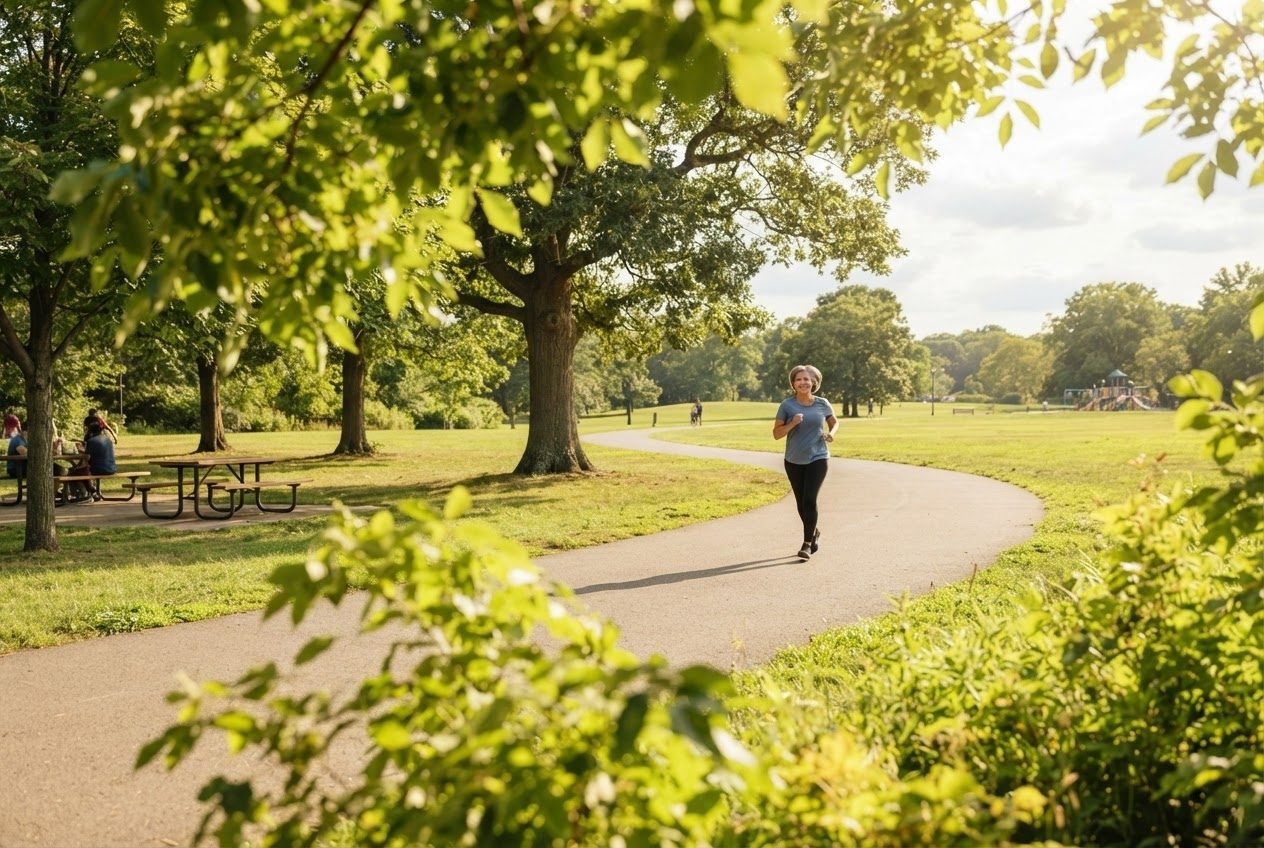
For beginners, the treadmill is a great place to build your running base. Once you feel confident — you can run for 10–15 minutes without stopping — start mixing in outdoor runs. The confidence you build indoors translates directly to the road or the park.
For staying safe on evening outdoor runs when you do make that switch, check out how to run at night safely.
FAQ
Do I need special shoes for the treadmill? The same running shoes you'd wear outdoors work fine on a treadmill. Make sure they're actual running or training shoes — not casual sneakers — for proper support. If you're not sure what to look for, see our guide on how to choose running shoes for beginners.
Is treadmill running easier than running outside? It depends on the speed, incline, equipment, weather, and runner. Start at a comfortable incline, including 0%; 1% is not a universal way to match outdoor effort.
How long should a beginner run on a treadmill? 20–30 minutes is a solid starting goal, including warm-up and cool-down walking. You don't need to run the whole time — run/walk intervals are perfectly effective and much kinder to a body that's just getting started.
Run happy, run free.