Staying hydrated when running doesn't have to be complicated. For most beginner runners doing short, easy runs, drinking water before you head out and rehydrating afterward is enough. Once your runs get longer — or when the weather is warm — a simple hydration plan will keep you comfortable and safe.

Do I need to carry water on every run?
For runs under about 30 minutes in mild weather, you probably don't need to carry water with you. Your body has enough fluid on board to handle a short, easy effort — provided you're reasonably hydrated before you start.
That changes when:
- Your run lasts longer than 30–40 minutes
- It's hot or humid (especially common in Korean summers — Busan gets warm early)
- You're running at a harder effort and sweating heavily
- You feel thirsty before you even start
When any of those apply, bringing water — or planning a route past a drinking fountain — is a smart move.
How much water should I drink before a run?
There's no single magic number, but a simple guideline for beginners:
- 2 hours before: drink a normal glass of water (about 400–500 ml)
- 15–20 minutes before: sip another small glass if you feel thirsty
Don't chug a large amount right before heading out — running on a sloshing stomach is uncomfortable. Steady, consistent water intake throughout the day is far more effective than last-minute loading.
A quick self-check: if your urine is pale yellow before you run, you're well hydrated. Dark yellow means drink more. Very clear could mean you've overdone it — though for most beginners this is rare.

What should I drink during a run?
Water is the right answer for most beginner runs. Sports drinks with electrolytes are designed for sustained efforts of 60–90 minutes or more. For a 20–30 minute jog, plain water is perfect.
If you're running longer and sweating a lot, electrolytes (sodium, potassium) help you hold onto that fluid and prevent cramping. A light sports drink or an electrolyte tablet dissolved in water works well for runs over an hour.
Avoid sugary sodas, juice, or anything carbonated before and during a run — they tend to cause stomach cramps.
How to carry water when you do need it
The easiest options:
- Handheld water bottle: small, affordable, good for casual runs up to an hour
- Hydration belt: clips around your waist with small bottles; hands stay free
- Running vest with a bladder: best for longer trail runs; most beginners won't need this yet
- Plan your route: map a path that passes a convenience store or water fountain so you don't have to carry anything
If you're looking to keep things light and hands-free, our 360° rotating phone armband pairs nicely with a slim hydration belt — phone on one arm, water on the other, and you're sorted.
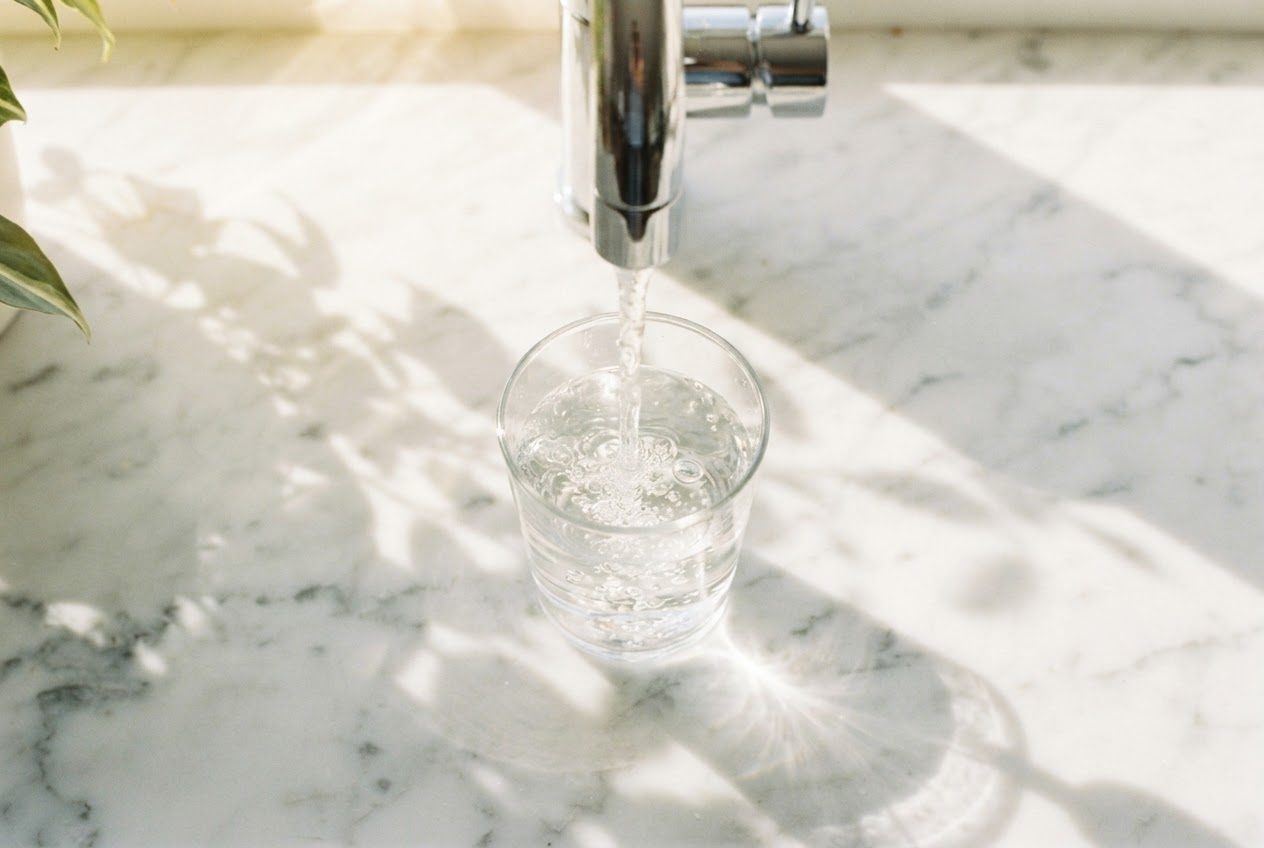
How much should I drink after a run?
After finishing, rehydrate gradually. A rough guide: for every kilogram of body weight you lose during a run (mostly through sweat), drink about 1–1.5 litres of water to replace it. Most beginner runners on short runs won't lose much — a couple of glasses of water right after is usually fine.
Eating something with a little salt (like a small handful of crackers or a light meal) helps you absorb that post-run water more effectively.
Quick hydration checklist for beginners
- Drink water steadily throughout the day — hydration starts long before your run
- Check the colour of your urine before heading out
- For runs under 30 min in mild weather: no need to carry water
- For runs over 30 min, hot days, or high effort: bring water
- Sip small amounts during a run rather than gulping
- Rehydrate with water (and a light snack) soon after finishing
Related reads
If you're new to running, these posts pair well with today's topic:
- How Often Should Beginners Run? — building a schedule that gives your body time to adapt
- Summer Running Tips for Beginners — staying safe and comfortable when the heat is on
FAQ
Can I drink too much water while running? Yes, though it's uncommon for beginners on short runs. Drinking far more water than you're losing through sweat can dilute sodium in your blood. Drink to thirst, not on a rigid schedule.
Is coffee okay before a run? A moderate amount of coffee (one cup) is fine for most people and may even give a mild energy boost. Just make sure you're also drinking water, since coffee is a mild diuretic. Avoid large amounts — and give yourself time to visit the bathroom before you head out.
What if I forget my water on a hot day? Shorten the run and stay in the shade where possible. It's always better to cut a run short than to push through feeling dizzy or overheated. There's no run worth risking heat exhaustion over.
Run happy, run free.