What should you eat before a run? The short answer: eat a small, easily digestible snack 30 to 90 minutes before you head out. Something light — a banana, a slice of toast, or a small bowl of oats — gives your body just enough fuel to keep you going without weighing you down mid-stride.
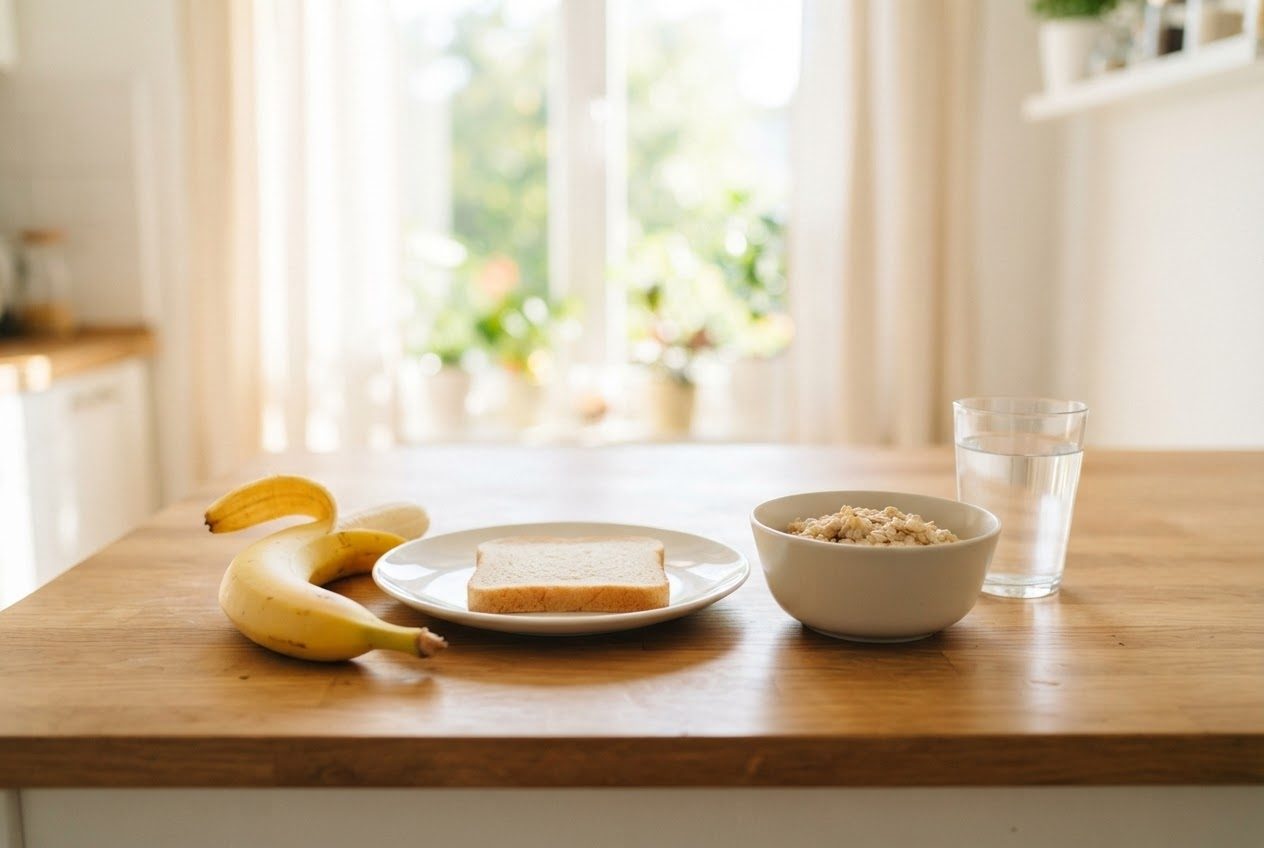
Pre-run nutrition doesn't have to be complicated. As a beginner, you mostly need to know what works, what doesn't, and when to eat it. Here's everything you need.
How far in advance should you eat before running?
Timing matters more than the perfect food. Eat too close to your run and you'll feel sluggish or get cramps. Wait too long and you'll run on empty.
A rough guide:
- 30–60 minutes before: a small snack (150–200 calories max)
- 1.5–2 hours before: a light meal
- 2–3+ hours before: a normal meal works fine
If you're running first thing in the morning, even a small banana or a few crackers 15–20 minutes before can help. Many beginners find that short runs (under 30 minutes) are fine on an empty stomach — listen to how your own body feels.
What are good foods to eat before a run?
The goal is easy-to-digest carbohydrates for quick energy, with minimal fat and fiber (both slow digestion and can cause discomfort when you're moving).
Good pre-run snacks:
- Banana — the classic runner's snack, easy on the stomach
- Toast or a plain rice cake — simple carbs, no fuss
- A small bowl of oatmeal (without heavy toppings)
- A small handful of crackers or pretzels
- A plain rice ball (주먹밥 — a very Korean runner's go-to in Busan 🏃)
Good pre-run mini-meals (1.5–2 hours out):
- Toast with a thin layer of peanut butter + banana slices
- Oatmeal with a drizzle of honey
- Steamed rice with a small portion of grilled vegetables
Keep portions small. You want to feel energized, not full.

What should you avoid eating before a run?
Some foods that are normally healthy cause real problems when you're moving at pace:
- High-fat foods (cheese, fried food, avocado in large amounts) — digest slowly, can make you feel heavy
- High-fiber vegetables (broccoli, cabbage, beans) — can cause cramping or bloating
- Spicy food — a recipe for heartburn mid-run
- Dairy in large amounts — can upset sensitive stomachs
- Sugary drinks or energy drinks — fast spike followed by a crash; not ideal for pacing yourself
Do you need to eat anything before a short run?
For runs under 30–40 minutes, you probably don't need a dedicated pre-run snack, especially if you've eaten a normal meal 2–3 hours before. Your body has enough stored energy for a short effort.
As your runs get longer — heading toward 45 minutes, an hour, or beyond — a small snack beforehand becomes more helpful. This is also when your choice of snack starts to matter more.
For your first runs, don't overthink it. Just avoid running right after a big meal, and make sure you're not completely fasted if you feel dizzy or low-energy when you exercise.

What about hydration before running?
Hydration is just as important as food — maybe more so. Aim to be well-hydrated before you start rather than trying to drink a lot right before.
- Drink water consistently throughout the day
- Have a glass of water about 15–30 minutes before your run
- Avoid running if you're already feeling thirsty — that's a sign you're behind
For more on staying hydrated during your runs, see our full guide: Running Hydration Tips for Beginners.
A simple pre-run routine for beginners
Here's a low-effort approach that works for most new runners:
- Eat a normal, balanced dinner the night before — don't stress about "loading"
- Morning run? Have a banana or a few crackers 20–30 minutes before, plus a glass of water
- Afternoon/evening run? Eat a light meal or snack 1–2 hours before; avoid a heavy lunch right before
- Warm up before you start running — a 5-minute easy walk or light movement helps digestion too (see our warm-up guide)
- Check in with yourself after a few runs — adjust based on what leaves you feeling best
Running is personal. Some runners do great with oatmeal before every run; others prefer to run fasted. Experiment a little and trust what your body tells you.
And if you're carrying your phone on your run — snack in one hand, good tunes playing — a running armband from LULURUN's shop keeps your hands free and your phone secure. Small thing, big difference.
Run happy, run free.
FAQ
Can I run on an empty stomach? Yes, for short runs (30 minutes or less), many beginners run just fine without eating first. If you feel lightheaded or fatigued early in the run, try a small snack next time and see if it helps.
Is coffee okay before a run? For many people, a small coffee before a run is fine and can even feel energizing. Just make sure you're also drinking water, and test it on a short run first since caffeine affects people differently.
What if I get stomach cramps while running? Cramps during a run are often caused by eating too close to your start time, eating high-fiber or high-fat food beforehand, or not being well-hydrated. Try adjusting your timing first — give yourself at least 45–60 minutes after eating before you run.