To feel more settled before your first 5K, make the practical parts familiar: read the organizer’s instructions, plan your arrival, find check-in and the toilets, and decide how you will start. You do not need to feel completely calm to take part; you just need a next step you understand.
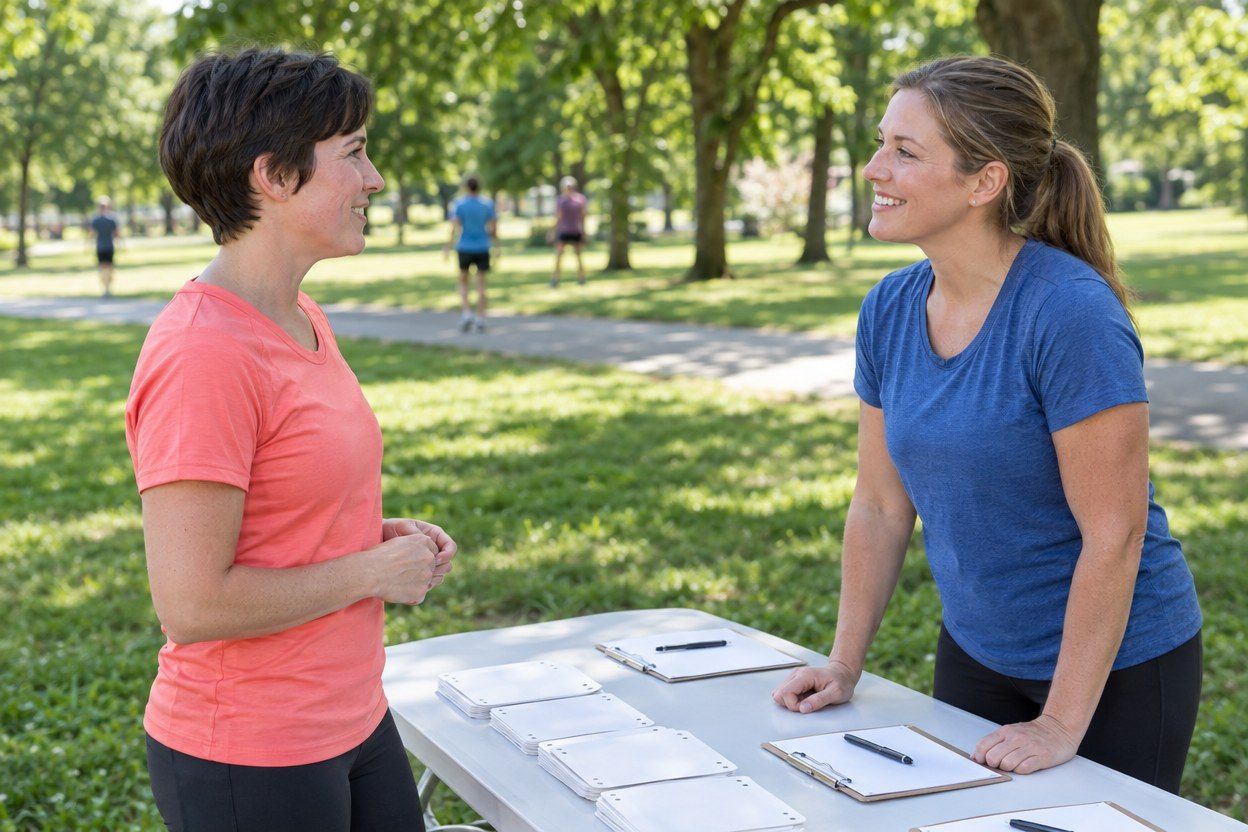
A first event introduces plenty of new things at once. Where does the bib come from? Which people are lining up? Can you walk? Those are useful questions, not signs that you are unprepared to be a runner.
This is an event-day guide, not a new training plan. Keep the running approach you have practiced, and use a little preparation to make room for enjoying the atmosphere.
What should you check before leaving home?
Open the event’s official participant information rather than relying on a friend’s memory of a different race. Look for:
- Start time and any separate check-in deadline.
- Parking, public transport, and the actual entrance to use.
- Whether you collect your bib beforehand or on the day.
- Toilet locations and any bag-storage arrangements.
- Walking rules, course time limits, and start-group instructions.
- Weather notices, route changes, or cancellation updates.
If a detail is missing, ask the organizer. “I’m doing my first 5K and may use walk breaks—is that permitted, and is there a course time limit?” is clear and perfectly reasonable.
Not every event has the same arrangements. “Beginner-friendly” is encouraging, but it is not a substitute for checking the rules you need.

How early should you arrive?
Use the organizer’s recommended arrival time, then allow for the journey and the tasks you personally need to do. A large event with queues is different from a small local gathering; there is no universal number of minutes that works for every 5K.
Plan an order for your first few tasks: find check-in, collect your bib if needed, locate the toilets, then head toward the start area. If you have a friend with you, ask them to help with one practical detail rather than give you last-minute pacing advice.
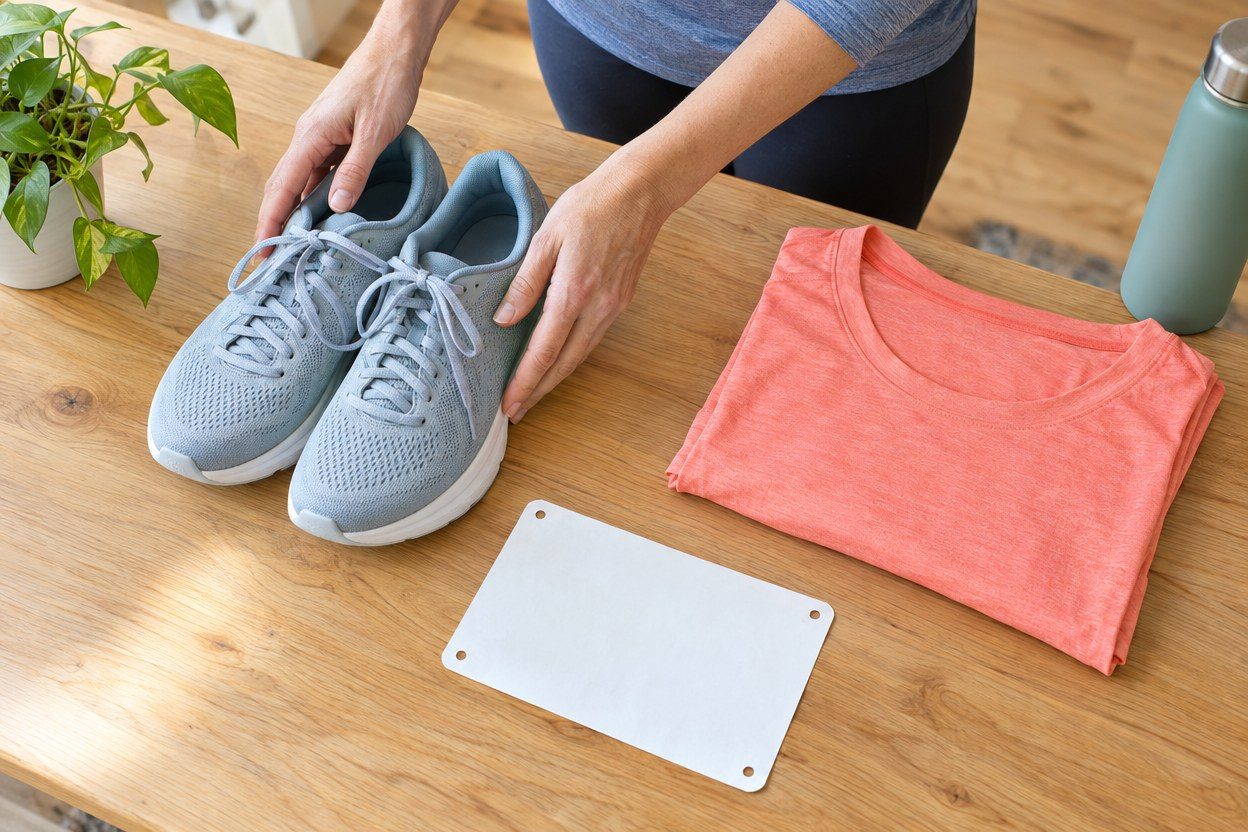
You can prepare your familiar clothes and shoes the evening before. Follow the event’s bib instructions, and keep anything you need to show at check-in accessible. This is not the morning to test a brand-new outfit, breakfast, or complicated routine.
What if you do not know where to go?
Ask a volunteer a specific question. You do not need to explain your entire running history first.
Try: “Is this the bib collection queue?” or “Where should someone planning to run and walk line up?” If a volunteer does not know, ask where the information point or start marshal is.
Once you know the immediate next step, focus on that. You are collecting a bib, not solving the whole race. Then you are finding the start, not predicting exactly how every kilometer will feel.
A short walk around the permitted area can also help you get your bearings. Keep access routes clear and listen for announcements rather than disappearing somewhere quiet and missing the briefing.
Where should a beginner stand at the start?
Follow assigned corrals, pace signs, or the marshal’s directions. If the start is informal, ask where your planned easy pace or run-walk approach fits. You do not have to stand at the front to feel included.
Give yourself permission to begin gently. Other people’s quick start does not change the plan you practiced. Let the crowd move, keep a predictable line, and look ahead rather than weaving between runners.
If you intend to switch to walking, check around you and make the change gradually where there is space, following the event’s directions. Our guide to walking during a 5K explains why walk breaks do not erase the distance you cover.
What is a useful goal for the day?
Pick something within your control: follow your familiar effort, use the walk breaks you planned, or stay present enough to notice the finish area. A finish time does not have to be the main assignment.
You can also give the morning a simple sequence: arrive, check in, start comfortably, follow the course, and meet your person afterward. That is easier to picture than “have a perfect first race.”
If you are still deciding how to approach the outing itself, our first 5K tips cover the broader basics. Today’s job is to avoid changing everything because there are bibs around you.
Choose a clear meeting point with anyone coming to support you—a particular entrance or landmark, not just “near the finish.” Check that it is outside restricted areas. Having a familiar face and a simple after-race plan can make the day feel more manageable.
FAQ
Do I need to stop feeling nervous before I start?
No. Some nerves can be part of a new experience, and a practical plan does not guarantee they disappear. You can take one ordinary step at a time.
Can I walk during my first 5K?
Check your event’s walking policy and course time limit. If walking is permitted, use the approach that fits your preparation and follow course guidance.
What if I feel unwell rather than just nervous?
Do not label concerning symptoms as “just nerves” or push through them. Stop and seek appropriate help; event staff can direct you to on-site assistance if available.
Your first 5K is allowed to be a first try, with questions and all. Make the logistics familiar, keep your start friendly, and let the day be yours.
Run happy, run free.