An eleven-minute kilometre is not a failure or a grade. Choose an effort that feels manageable for you today; finishing while breathing hard does not prove that the effort or symptoms are appropriate. Ease off or stop for unusual or concerning breathlessness.

If you've caught yourself feeling embarrassed by your pace, or wondering "am I just bad at running?", you're in very good company. Let's lulu-lala through why that feeling shows up and why it's worth ignoring.
Why does 11 min/km feel embarrassingly slow?
Mostly because of comparison, not because of anything actually wrong with your running. Social feeds and running apps are full of sub-6-minute splits, and it's easy to forget that those numbers come from people months or years into training — not from someone on their third run.
Comparison can add pressure. Choose an effort that feels manageable today, and slow or stop for unusual or concerning breathlessness rather than treating a particular pace as proof that symptoms are normal.

Is being "slow" actually holding back my progress?
A comfortable effort and walking breaks can help make a routine manageable. No plan, pace, or weekly frequency guarantees that you avoid injury or burnout.
A comfortable eleven-minute kilometre can be part of useful training. Adaptation depends on effort, duration, recovery, and health; slower and faster sessions do not necessarily produce identical aerobic effects.
Am I really that far behind other runners?
Running or walking a full 5K can be a meaningful distance milestone. You do not need to match a gender-based finish-time benchmark for that achievement to count. Focus on an effort and routine that suit you, rather than deciding you are behind someone else.
The honest takeaway: there is no universal "behind." There's just your own timeline, and it's yours to move through at whatever pace gets you out the door again tomorrow.
What should I actually pay attention to instead of pace?
A few things matter far more than your minutes-per-kilometer in the beginner stage:
- Consistency — did you run this week, roughly on the schedule you planned?
- How you feel afterward — pleasantly tired is good; wrecked or in pain is a sign to back off.
- Whether you can talk — if you can speak in short sentences, your effort is about right for a beginner run.
- Whether you want to run again — enjoying it enough to repeat it beats any split time.
If you want the fuller picture on effort and the talk test, what is a good running pace for beginners? breaks down the numbers in more detail. And if straight running still feels like a lot, the run/walk method is a genuinely effective way to build up distance without needing to hold any particular pace at all.
How do I stop obsessing over the number on my watch?
Try covering it up, literally. Run a few sessions by feel only — no glancing at pace, no mental math about splits — and just notice how your breathing and legs feel instead. Most beginners are shocked at how much lighter running feels once the number stops being the point.
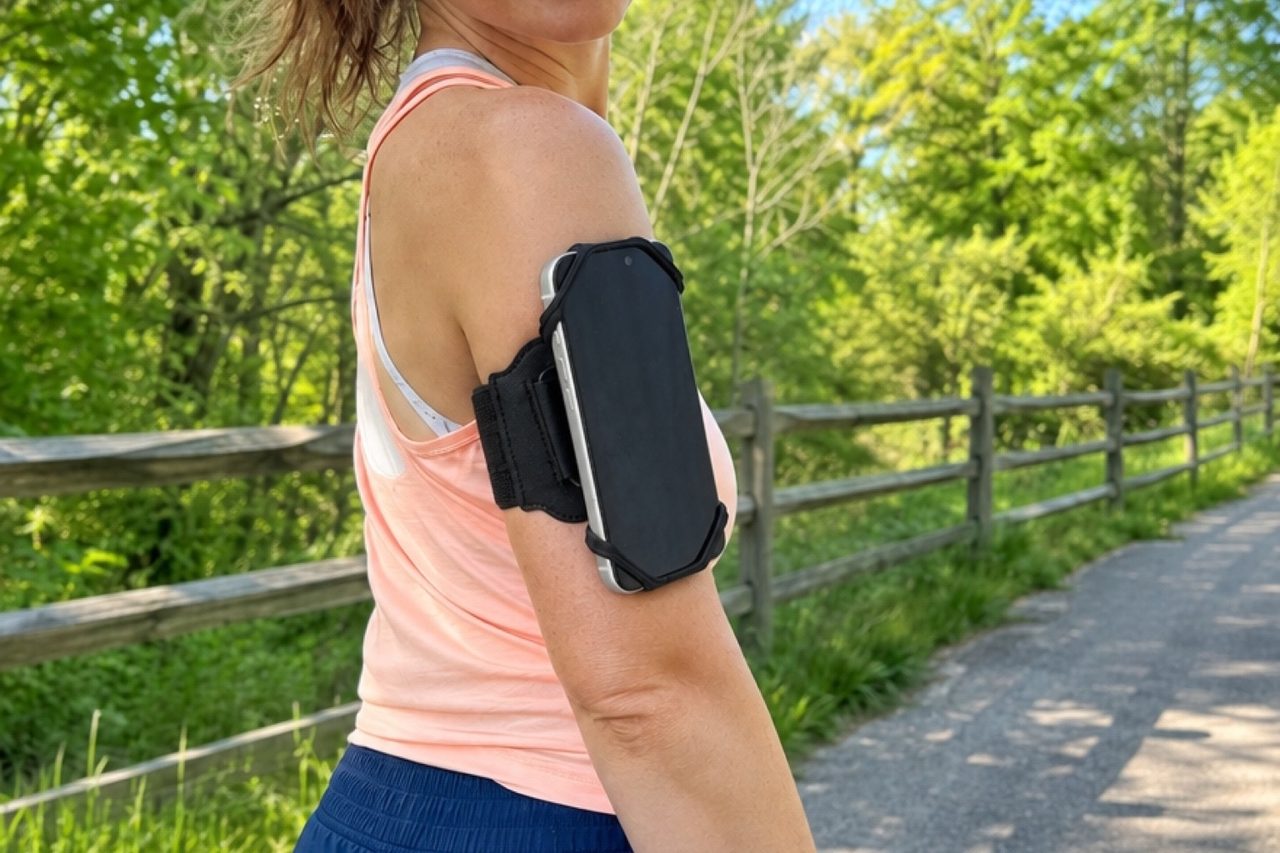
If you use a phone for tracking or music, set it up before leaving. The LULURUN 360° rotating running armband is one compatible carry option; some movement is normal, and pause somewhere safe before reading the screen or adjusting the mount.
FAQ
Is 11 minutes per kilometer a "real" running pace, or is that basically walking? Jogging and walking can overlap in speed. Your movement pattern and comfortable effort matter more than whether 11 min/km exceeds someone else’s brisk walk.
Will I always run this slowly? Your pace may change as you train, but it need not follow a four-to-eight-week schedule. Focus on comfortable effort and your own circumstances rather than a promised speed improvement.
Should I try to run faster to avoid feeling embarrassed? No. Choose an effort that suits you rather than chasing a pace to avoid embarrassment. Reduce or stop for concerning symptoms.
Run happy, run free.