To size a running armband correctly, measure the circumference of your upper arm (bicep) at its widest point using a soft tape measure or a piece of string, then compare that number to the size range listed on the armband. Most beginner sizing mistakes come from skipping this step and just guessing a size.
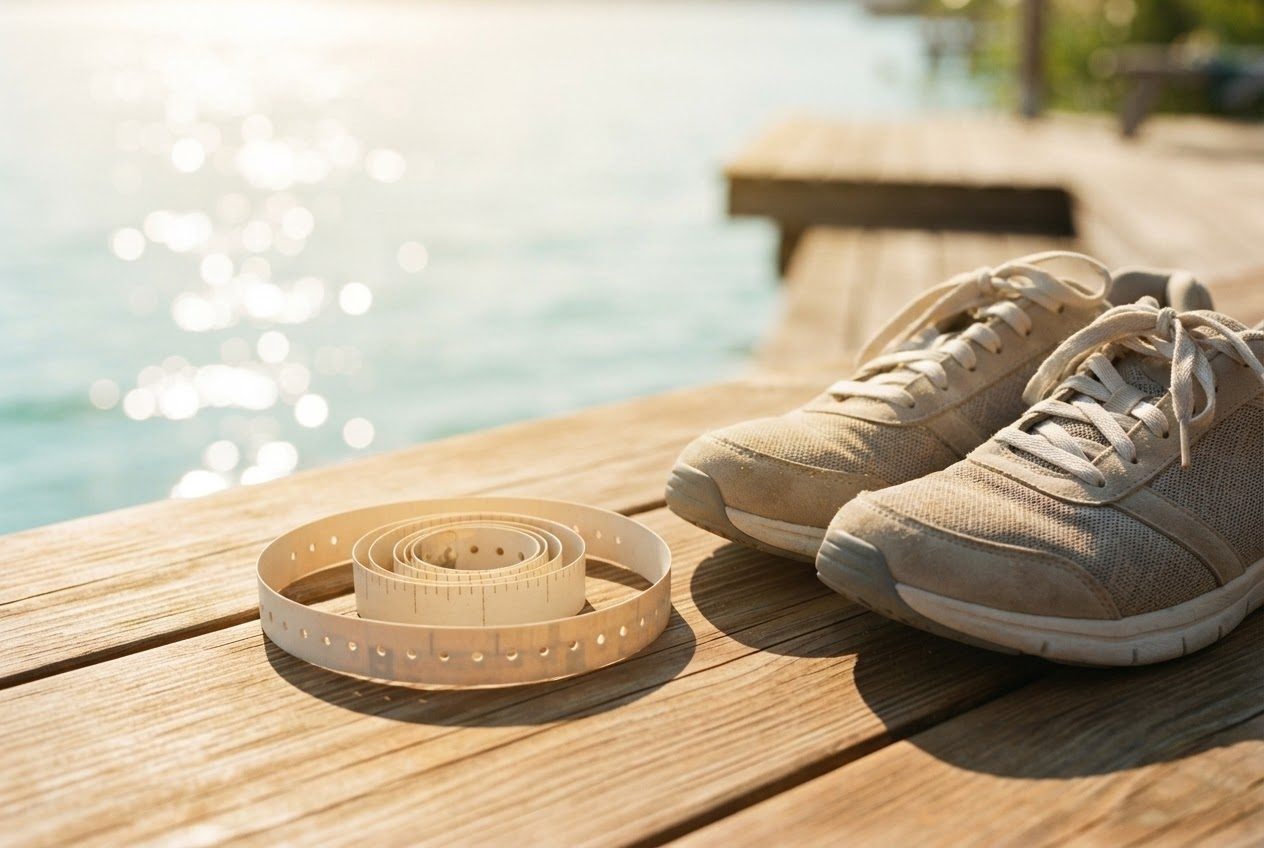
It only takes a minute, and it's the single best way to avoid buying an armband that's too loose to stay put or too tight to be comfortable on a long run.
Why does armband sizing matter so much?
A running armband only works if it stays snug against your arm without cutting off circulation. Too loose, and it slides down or twists during your stride — the same problem covered in why a running armband keeps slipping. Too tight, and it can pinch, dig in, or feel uncomfortable well before you finish a run, which is the flip side of the fit question we answer in how tight should a running armband be. A suitable stated range is a starting check; confirm actual closure, retention, and comfort too.
How do I measure my arm for a running armband?
Here's the simple process:
- Find the widest point of your upper arm. This is usually the middle of your bicep, roughly halfway between your shoulder and elbow.
- Flex slightly, then relax. Measure with your arm in a natural, relaxed position — not fully flexed — since that's how it will sit while you run.
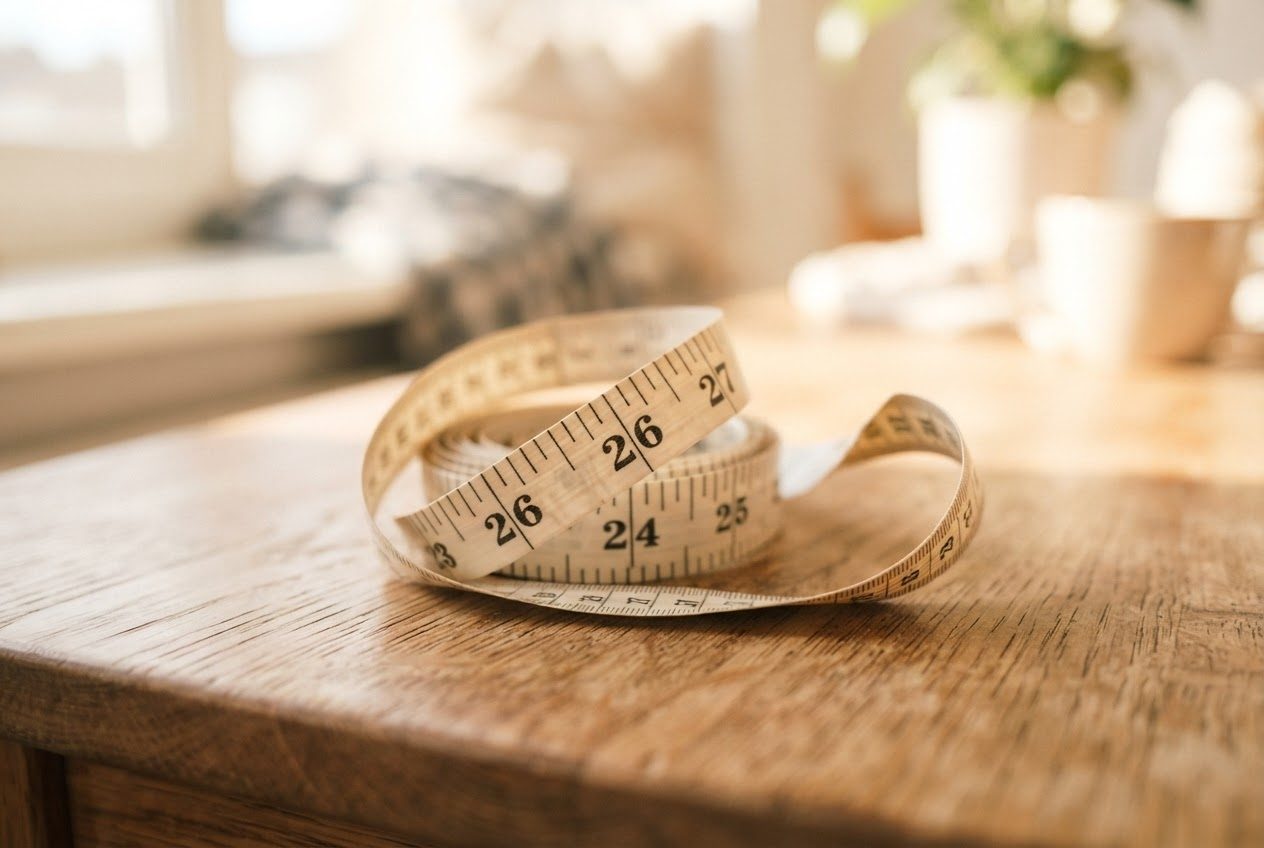
- Wrap a soft measuring tape around that point. If you don't have one, use a piece of string or ribbon, wrap it around your arm, mark where it overlaps, then measure that length against a ruler.
- Write down the number in both inches and centimeters, since brands list sizing differently.
- Check the product's size chart, not just "small/medium/large" labels — look at the actual arm circumference range each size covers.
- When between sizes, compare both products’ stated ranges and adjustment limits rather than sizing up automatically.

What if I'm between two sizes?
Choose a size whose stated range includes your measurement with a secure closure. More strap length is not useful if the band cannot tighten enough.
Does arm size change how the armband feels while running?
Yes, your arm measurement affects whether the stated range and closure can give a secure, comfortable fit. Check the exact product’s minimum and maximum range; pause to reassess if the setup slips or feels uncomfortable.
Does bicep measurement account for muscle growth or swelling?
If the band suddenly feels tighter, pause and check fit and comfort. Do not assume heat or normal exercise swelling explains it; remove the band and seek advice for unusual or persistent swelling or other symptoms.
A quick sizing checklist before you buy
- Measure your bicep at its widest point, arm relaxed, not flexed.
- Record the number in both inches and cm.
- Compare against the specific size chart for the armband, not a generic S/M/L guess.
- If between sizes, compare both stated ranges and closure limits at your measurement.
- Look for an adjustable strap so small day-to-day changes don't matter.
Getting the size right the first time means less fiddling with your armband and more time actually enjoying the run — which is the whole point.
FAQ
What if I don't have a tape measure? A piece of string or a shoelace works fine — wrap it around the widest point of your upper arm, mark the overlap, then measure that length against a ruler or yardstick.
Should I measure over a sleeve or bare skin? Follow the product’s measuring instructions for the way you intend to wear it. If wearing it over a sleeve, check the actual circumference and closure rather than rounding up by default.
Is a bigger armband always safer to buy than a smaller one? Not necessarily. Check both the minimum and maximum fit and the closure at your measurement; an oversized band may not tighten securely.
For more on carrying your phone comfortably on every run, see our complete guide to carrying your phone while running, or check out the LULURUN 360° running armband built to fit a range of arm sizes with a fully adjustable strap.
Run happy, run free.