For most beginner runs under 30 minutes, you only need four things: your phone, a way to carry your key, something to drink, and shoes that fit. That is genuinely it. The longer the run or the less familiar the route, the more items from the list below become worth adding — but start minimal and add only what you actually need.

The Everyday Essentials
These are the things most runners bring on every single run, short or long:
- Phone — for music, navigation, safety, or just so someone can reach you. A phone in your pocket flops around; a running armband keeps it snug against your upper arm so you barely notice it.
- Key — one house key, nothing else. A single key tucked into a zipper pocket or clipped to your laces is all you need. If you find loose keys annoying, a carabiner clip or a small key wrap works well. Check out our post on what to do with keys while running for a few tried-and-true tricks.
- Water — for runs under 20 minutes in mild weather, you can usually go without. For anything longer or hotter, bring a small handheld bottle or tuck one in a vest pocket. Staying hydrated matters more than people think.
- Comfortable shoes — the most important gear decision you will make as a runner. Everything else on this list is optional compared to shoes that actually fit your feet.
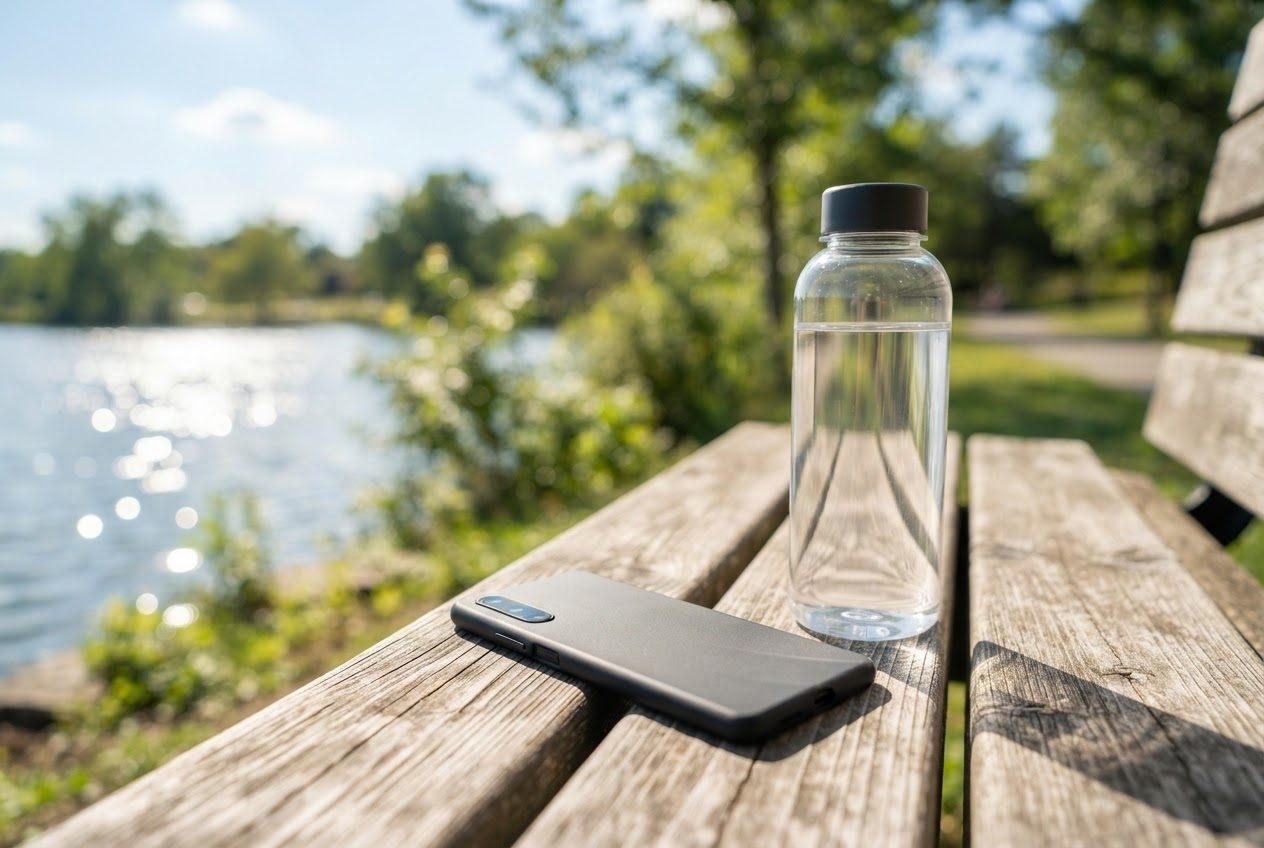
What to Carry It All In
How you carry things matters as much as what you bring. A few options:
- Running shorts with pockets — most running shorts have at least a small zip pocket for a key and maybe a card. Phones, though, flop around badly in most shorts pockets.
- Running armband — holds your phone flat against your upper arm. Much better than a pocket for anything longer than a quick lap around the block. The LULURUN 360° rotating running armband fits most iPhone and Android models and swivels to keep your screen readable at any angle.
- Running belt — a flat elastic band around your waist. Good for carrying more stuff (gels, cards, a second key), though some runners find the waist placement less comfortable than an armband on warmer days. See our comparison of running armband vs running belt if you want to think through which suits you.
- Vest or hydration pack — overkill for most beginners, but essential for trail runs over an hour. Worth knowing about for when you get there.
For Longer Runs: A Few Extras
Once you are running 45 minutes or more, a few extras start to earn their place in the kit:
- Hydration — a handheld bottle, a belt bottle, or a hydration pack. Start drinking before you feel thirsty.
- A small snack — for runs approaching 60 to 90 minutes, a few energy chews or a small banana before you head out can stop your energy from dropping suddenly.
- ID or emergency card — a simple card with your name and an emergency contact number tucked in a pocket. Most road-ID brands make slim wristbands for exactly this.
- Headphones — if you run with music, bring them. Wireless earbuds with good fit stay in better than wired ones while running.
- Sunscreen — easy to forget, especially on overcast days. Apply before you go rather than trying to carry it with you.

What You Can Leave at Home
More gear does not mean a better run. You almost certainly do not need:
- A GPS watch — your phone does this fine, especially if you use a free running app.
- A fancy hydration vest — save it for when your runs cross the one-hour mark.
- Multiple keys — one key is all you need and much lighter.
- Earbuds AND a portable charger AND a headlamp AND… — add items one at a time as you discover you actually need them. Starting with a bag full of gear usually means ending your run with a bag full of things that stayed in your pocket the whole time.
A Quick Pre-Run Checklist
Before you head out the door, run through this:
- Phone charged and in your armband or pocket
- Key in a secure spot
- Water or plan to drink when you get back (short run only)
- Shoes tied properly
- Weather check done — light layer if needed, sunscreen if sunny
- Someone knows roughly where you are going (especially for longer or solo runs)
That is the whole list for a typical beginner run. Nothing complicated about it.
FAQ
Do I need to bring money on a run? For most neighborhood runs, no. If you are running somewhere you might need to catch a bus home, or doing a long run with a stop planned, tuck a card or a small amount of cash in a zip pocket.
Should I bring my phone on every run? For safety and navigation reasons, yes — especially while you are still learning new routes. Over time you might leave it behind for short familiar loops, but there is no harm in always having it with you.
What if I do not have pockets? An armband is the cleanest solution for your phone. For keys, a small key clip that attaches to a lace or waistband costs very little and solves the problem entirely.
Run happy, run free.